
Why Do Some Coffees Taste Better Than Others?
A few years ago, I thought coffee beans were pretty simple.
Coffee is coffee, right?
A latte from one café should taste more or less the same as a latte from another café.
Then I started visiting specialty coffee shops.
One cappuccino tasted sweet and chocolatey.
Another had hints of fruit.
A third tasted rich and nutty.
The surprising part?
All three drinks were made from coffee beans.
So what was causing such a big difference?
The answer often comes down to one important step:
Coffee roasting.
Before coffee reaches your cup, it goes through a transformation that completely changes its flavor, aroma, and color.
In fact, the roasting process is one of the biggest reasons why two coffees can taste completely different.
Whether you’re ordering a pour-over, espresso, or flavored latte, understanding how coffee beans are roasted can help you appreciate every sip a little more.
Table of Contents
Coffee Beans Don’t Start Out Brown
Many people are surprised when they learn that coffee beans aren’t naturally brown.
Fresh coffee beans actually begin as green coffee beans.
These raw beans are removed from coffee cherries, processed, dried, and shipped to roasters around the world.
At this stage, they look nothing like the coffee beans you see in stores.
Green Coffee Beans
| Characteristic | Green Coffee Beans |
|---|---|
| Color | Green |
| Aroma | Mild, grassy |
| Texture | Dense and hard |
| Ready to Brew? | No |
Without roasting, coffee would never develop the flavors most people associate with coffee.
That’s why roasting is such a critical part of the process.
What Is Coffee Roasting?
In simple terms, coffee roasting is the process of heating green coffee beans until they develop flavor.
Think of it like baking bread.
The ingredients may be simple, but the cooking process creates something completely different.
Coffee roasting works the same way.
During roasting, beans are exposed to high temperatures.
As heat builds, hundreds of chemical reactions begin taking place inside the bean.
Sugars caramelize.
Moisture evaporates.
Aromas develop.
Colors change.
The result is the flavorful coffee we know and love.
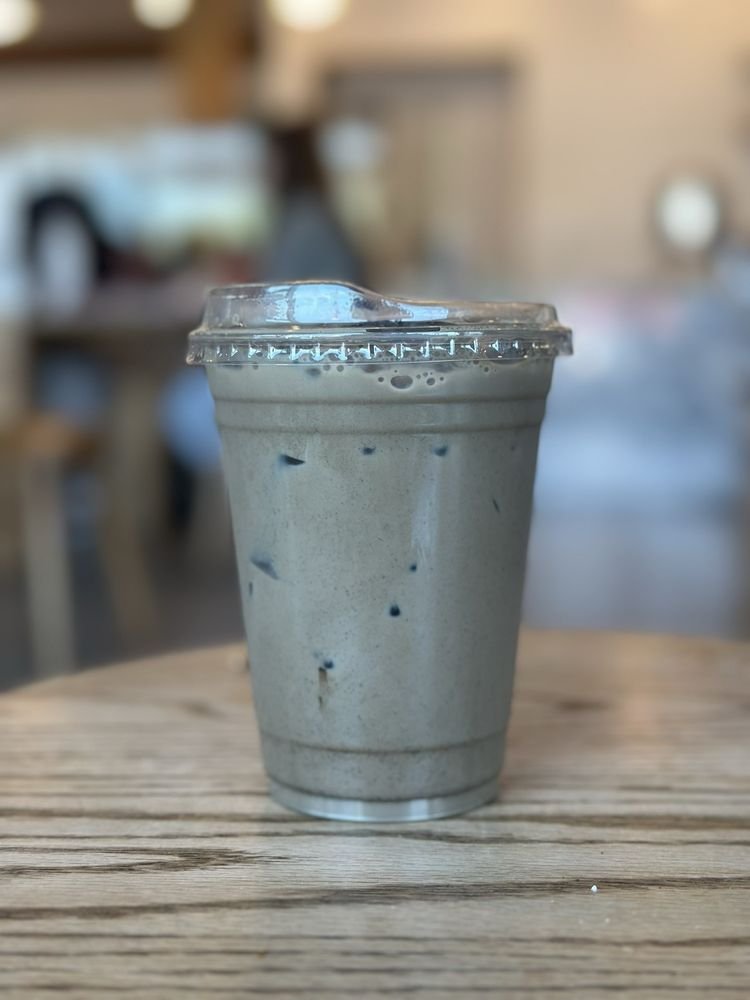
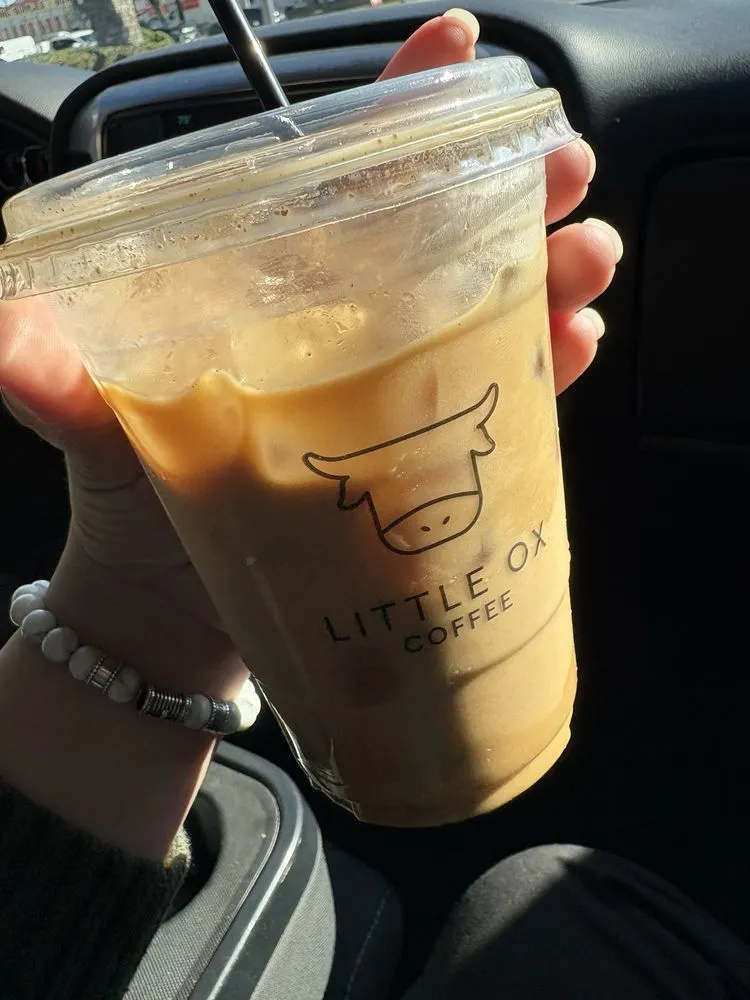
What Happens Inside a Coffee Bean During Roasting?
This is where things get interesting.
Roasting isn’t just about turning beans brown.
A lot is happening inside every bean.
Stage 1: Drying
Fresh green coffee beans contain moisture.
The first stage of roasting removes that moisture.
During this period, the beans begin warming up but haven’t yet developed their final flavor.
Stage 2: Browning
As temperatures rise, the beans begin changing color.
Natural sugars start reacting with amino acids.
This process is known as the Maillard Reaction.
It’s the same reaction that helps create flavor in:
- Toast
- Bread crust
- Grilled meats
- Roasted vegetables
This stage contributes heavily to coffee’s flavor profile.
Stage 3: First Crack
At a certain temperature, pressure builds inside the bean.
Eventually, the bean cracks.
Roasters call this moment the First Crack.
It sounds similar to popcorn popping.
Many light roasts are finished shortly after this stage.
Stage 4: Development
After First Crack, roasters carefully decide how long to continue roasting.
This decision affects:
- Sweetness
- Acidity
- Body
- Flavor complexity
A difference of even a few seconds can noticeably change the final cup.
The Three Main Roast Levels
One of the easiest ways to understand coffee roasting is by looking at roast levels.
Most coffees fall into three general categories.
| Roast Level | Flavor Profile | Color |
|---|---|---|
| Light Roast | Bright, fruity | Light Brown |
| Medium Roast | Balanced, sweet | Medium Brown |
| Dark Roast | Bold, smoky | Dark Brown |
Each roast level creates a different experience.
None are automatically better than the others.
It simply depends on personal preference.
Light Roast Coffee
Light roasts spend less time inside the roaster.
Because of this, more of the bean’s original characteristics remain.
People often describe light roasts as:
- Bright
- Fruity
- Floral
- Complex
Coffee enthusiasts often enjoy light roasts because they showcase where the coffee came from.
A coffee grown in Ethiopia may taste very different from one grown in Colombia.
Light roasting helps preserve those differences.
Best For
- ✔ Pour Over
- ✔ Chemex
- ✔ Coffee Tasting
- ✔ Specialty Coffee Fans
Medium Roast Coffee
Medium roasts sit comfortably between light and dark roasts.
They’re often considered the most balanced option.
The roasting process develops sweetness while still preserving some of the bean’s original flavor.
Many coffee drinkers enjoy medium roasts because they offer:
- Smooth flavor
- Balanced acidity
- Pleasant sweetness
- Wide appeal
If you’ve ever ordered coffee at a specialty café and loved it immediately, there’s a good chance it was a medium roast.
Dark Roast Coffee
Dark roasts stay in the roaster longer.
The extended roasting time creates deeper, bolder flavors.
Many dark roasts feature notes such as:
- Chocolate
- Smoke
- Toast
- Caramelized sugar
Dark roasting can reduce some of the bean’s original characteristics, but it creates a flavor profile that many people enjoy.
This style became especially popular during earlier eras of coffee culture.
For some drinkers, a dark roast simply tastes more familiar.
Why Roast Level Matters More Than Most People Realize
Imagine buying high-quality coffee beans from a famous farm.
Now imagine roasting them too lightly.
Or roasting them too long.
Either mistake can prevent those beans from reaching their full potential.
That’s why skilled roasters spend years refining their craft.
Their goal isn’t simply roasting coffee.
Their goal is finding the roast profile that brings out the best flavor possible.
And that’s where coffee roasting starts becoming both a science and an art.
How Roasters Control Flavor
One of the biggest misconceptions about coffee roasting is that roasters simply put beans into a machine and wait.
In reality, roasting requires constant attention.
Throughout the process, roasters monitor:
- Temperature
- Airflow
- Time
- Bean color
- Development stage
A small adjustment can change the final flavor dramatically.
Factors That Influence Flavor
| Factor | Impact on Coffee |
|---|---|
| Roast Time | Sweetness and body |
| Temperature | Flavor development |
| Airflow | Even roasting |
| Bean Density | Roasting speed |
| Coffee Origin | Natural flavor notes |
This is why two roasters can use the same coffee beans and still produce very different results.
The roast profile matters.
Why Coffee Origin Still Matters
Roasting is important, but great roasting cannot completely replace great coffee.
Think of roasting like cooking.
A talented chef can improve ingredients, but they still need quality ingredients to begin with.
The same principle applies to coffee.
Beans grown in different regions often develop unique characteristics.
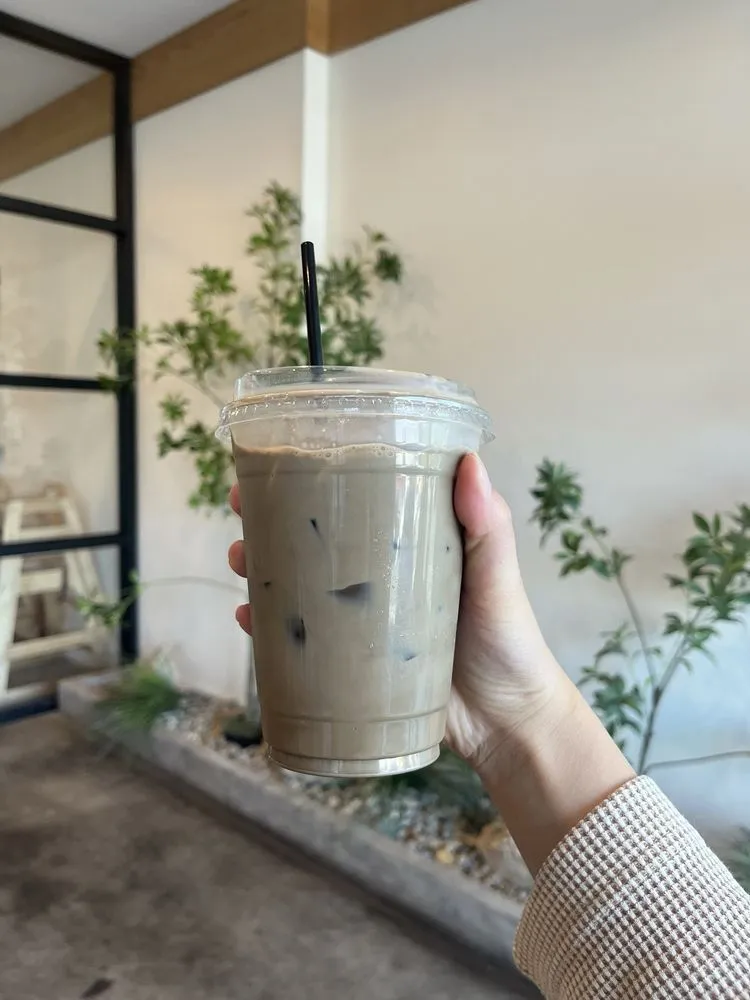

Common Flavor Associations
| Origin | Typical Flavor Notes |
|---|---|
| Ethiopia | Floral, berry, citrus |
| Colombia | Chocolate, caramel |
| Guatemala | Nutty, sweet |
| Brazil | Chocolate, low acidity |
A skilled roaster tries to highlight these characteristics rather than hide them.
That’s one reason specialty coffee shops pay so much attention to sourcing.
Common Coffee Roasting Mistakes
Roasting may sound straightforward, but it can go wrong quickly.
Even small errors can affect flavor.
Underdeveloped Coffee
If roasting stops too early, coffee may taste:
- Grassy
- Sour
- Thin
The bean never fully develops its flavor potential.
Over-Roasted Coffee
Roasting too long can create:
- Excess bitterness
- Burnt flavors
- Reduced complexity
This is one reason some people mistakenly believe all coffee tastes burnt.
In reality, properly roasted coffee should still have balance.
Uneven Roasting
When beans roast unevenly, flavor consistency suffers.
Some beans may be fully developed while others remain underdeveloped.
The result is an inconsistent cup.
Why Specialty Coffee Shops Care About Roasting
If you’ve read our guide on What Is Third Wave Coffee?, you’ve already seen how much attention specialty coffee shops give to quality.
Roasting plays a major role in that process.
Independent coffee shops often choose coffee from roasters that:
- Prioritize quality
- Share sourcing information
- Roast in small batches
- Focus on consistency
This attention to detail helps create a better experience for customers.
After all, even the most skilled barista can’t fully compensate for poorly roasted beans.
How Roasting Affects Espresso Drinks
Many people think roasting only matters for black coffee.
Actually, roast level influences nearly every coffee drink on a menu.
That includes:
- Lattes
- Cappuccinos
- Americanos
- Flat Whites
- Specialty Drinks
Light Roast Espresso
Can taste:
- Bright
- Fruity
- Complex
Medium Roast Espresso
Often tastes:
- Balanced
- Sweet
- Smooth
Dark Roast Espresso
Usually delivers:
- Bold flavor
- Rich body
- Lower perceived acidity
Because milk naturally adds sweetness, many cafés prefer medium roasts for espresso-based drinks.
They provide enough character without overpowering the drink.
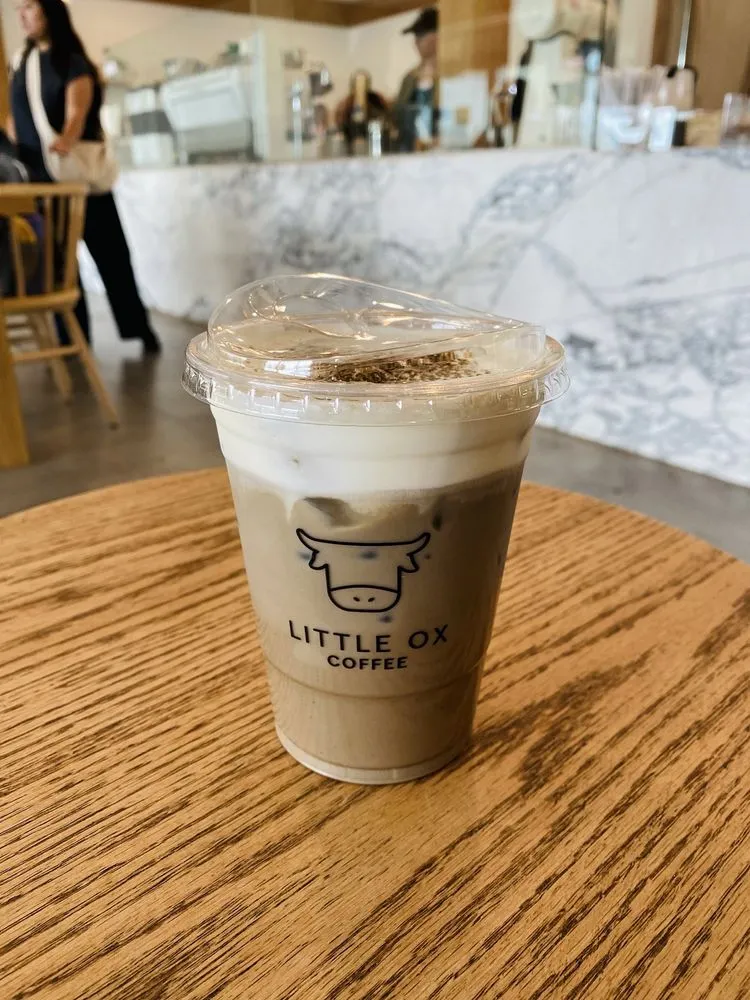
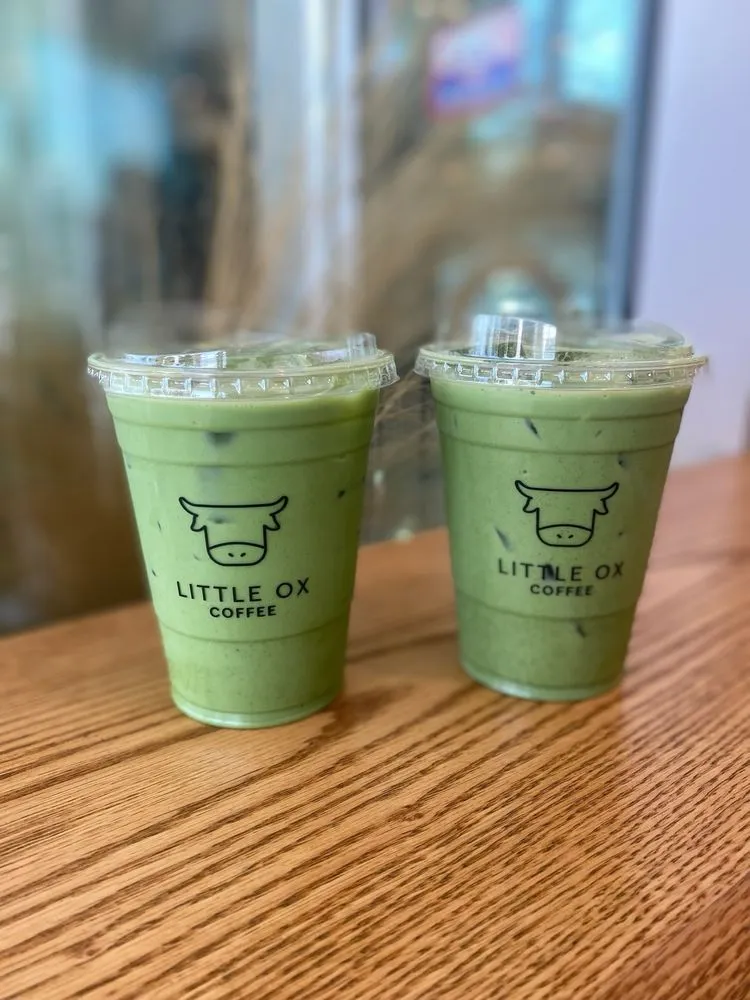
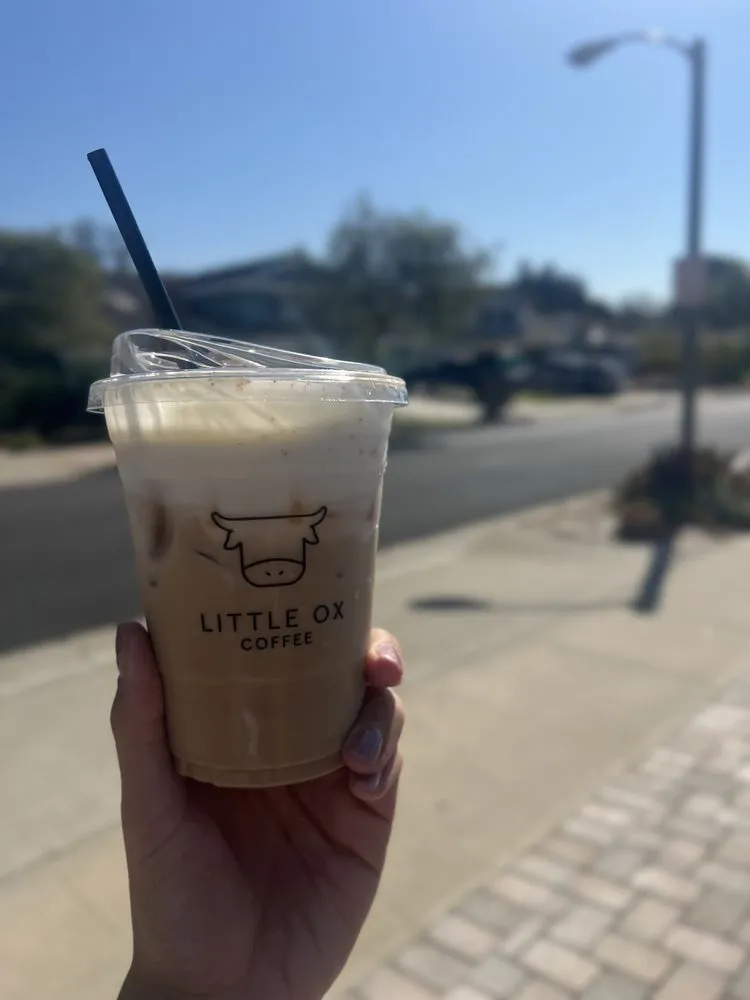
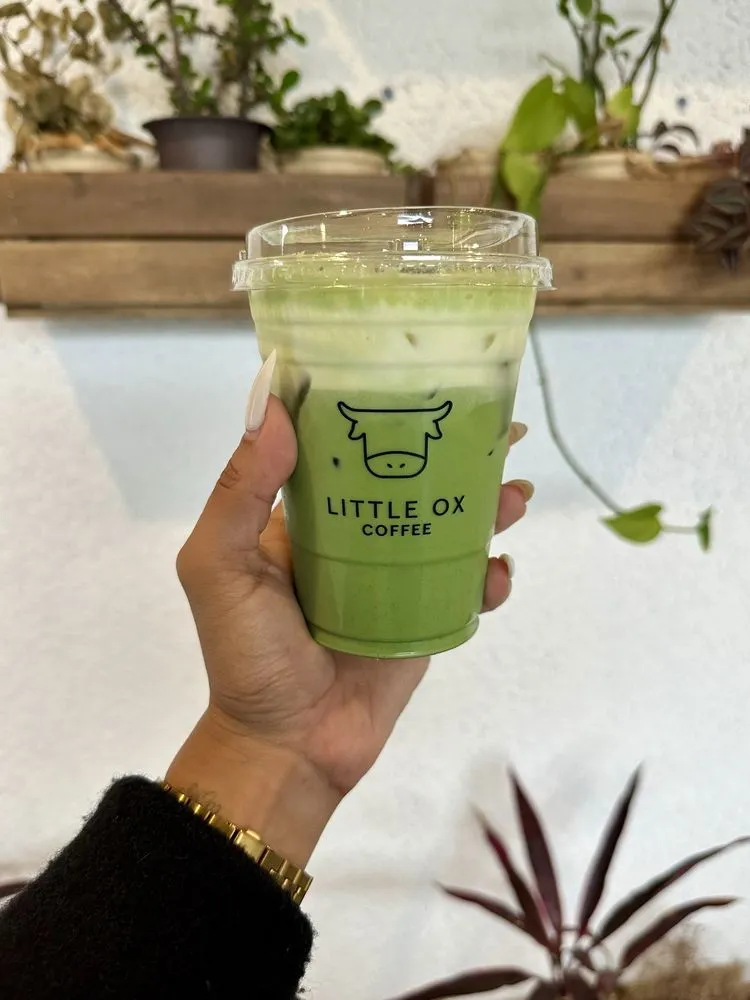
Why Roasting Matters at Coffee Shops Like Little Ox Coffee
When customers order specialty drinks, they often focus on ingredients such as:
- Matcha
- Vanilla
- Honey
- Lavender
- Hojicha
But coffee remains the foundation of many beverages.
That’s why understanding roasting matters.
The espresso inside a latte contributes significantly to the final flavor.
A properly roasted coffee can help create a drink that feels balanced rather than overly sweet.
Whether someone orders a traditional espresso drink or explores options on the Little Ox Coffee Menu, the roasting process influences what ends up in the cup.
The Difference Between Commodity Coffee and Specialty Coffee
One of the biggest shifts in modern coffee culture is the move toward specialty coffee.
Commodity Coffee
Typically prioritizes:
- Volume
- Consistency
- Affordability
Specialty Coffee
Often prioritizes:
- Flavor
- Traceability
- Quality
- Craftsmanship
Roasting sits at the center of this difference.
Specialty roasters spend significant time finding the roast profile that best expresses a coffee’s unique characteristics.
How to Appreciate Roasting as a Coffee Drinker
You don’t need to become a coffee expert.
You don’t need expensive equipment.
You don’t need to memorize roasting temperatures.
Instead, try paying attention to simple things.
Ask Yourself
- Is this coffee bright or rich?
- Does it taste fruity or chocolatey?
- Does it feel light or heavy?
- Is the sweetness natural?
Over time, you’ll start noticing how roast levels influence flavor.
That’s when coffee becomes even more interesting.
Frequently Asked Questions
What is coffee roasting?
Coffee roasting is the process of heating green coffee beans to develop flavor, aroma, and color.
Why are coffee beans roasted?
Raw coffee beans are not suitable for brewing. Roasting creates the flavors associated with coffee.
What is the difference between light and dark roast?
Light roasts preserve more of the bean’s original flavor, while dark roasts create bolder and more roasted characteristics.
Does roast level affect caffeine?
The difference is smaller than many people think. Roast level has less impact on caffeine than most people assume.
Why do specialty coffee shops care about roasting?
Roasting directly influences flavor quality, consistency, and the overall coffee experience.
Which roast is best?
There is no universal best roast. Preferences vary depending on individual taste.
Final Thoughts
Most people see coffee roasting as a simple step in the coffee-making process.
In reality, it’s one of the most important.
Roasting transforms hard green beans into the aromatic coffee used in cafés around the world.
It shapes flavor.
It influences aroma.
And it often determines whether a cup of coffee feels ordinary or memorable.
Why Locals Love Little Ox Coffee
The next time you enjoy a latte, espresso, or pour-over, remember that the journey started long before the drink reached your table.
It started with a green coffee bean and a roaster carefully deciding how to bring out its best qualities.
That’s the art of coffee roasting.