
Why Does Coffee Taste So Different From One Cafe to Another?
A few years ago, I thought coffee was pretty simple.
You walk into a coffee shop, order a latte, drink it, and move on with your day.
Then I started visiting more independent coffee shops.
Something felt different. The drinks weren’t overloaded with syrups. Baristas seemed unusually focused on details.

People talked about coffee beans the same way wine enthusiasts talk about grapes.
I kept hearing the same phrase over and over:
“This place is part of the third wave coffee movement.”
At first, I had no idea what that meant.
Was it a brewing method? A type of coffee bean? A marketing term?
As it turns out, third-wave coffee has completely changed how many people think about coffee.
And once you understand it, you’ll probably start noticing it everywhere.
Table of Contents
Coffee Didn’t Always Look Like This
Today, it’s normal to see people discussing:
- Coffee origins
- Roasting profiles
- Brewing techniques
- Single-origin beans
But coffee culture wasn’t always this detailed.
To understand third-wave coffee, it helps to understand what came before it.
The Three Waves of Coffee
| Coffee Wave | Main Focus |
|---|---|
| First Wave | Convenience |
| Second Wave | Coffee Shop Experience |
| Third Wave | Quality & Craftsmanship |
Each wave changed how people viewed coffee.
First Wave Coffee
The first wave focused on one thing:
Convenience.
Coffee became a household staple.
People bought large cans of pre-ground coffee from grocery stores and brewed it at home.
The goal wasn’t exceptional flavor.
The goal was accessibility.
Coffee became part of daily life.
Second Wave Coffee
The second wave introduced the coffee shop culture many people recognize today.
This era brought:
- Espresso drinks
- Lattes
- Cappuccinos
- Coffeehouse experiences
Customers began spending time inside cafes rather than simply grabbing coffee and leaving.
Coffee became a social activity.
This period helped create the modern coffee shop.
Third Wave Coffee
Then things changed again.
Coffee professionals began asking deeper questions.
Questions like:
- Where was this coffee grown?
- Who produced it?
- How was it roasted?
- What flavors are naturally present?
Instead of treating coffee as a commodity, they began treating it like a craft product.
That’s where third-wave coffee was born.
What Does “Third Wave Coffee” Actually Mean?
The easiest way to explain third wave coffee is this:
Coffee is treated like an artisan product rather than a mass-produced beverage.
Think about the difference between:
- Fast-food burgers
- A chef-crafted burger
Both are burgers.
But one receives significantly more attention.
The same idea applies to coffee.
Third-wave coffee shops focus on every stage of the process.
What Third Wave Cafes Care About
| Area | Focus |
|---|---|
| Sourcing | High-quality beans |
| Roasting | Precise flavor development |
| Brewing | Consistency |
| Education | Customer knowledge |
| Transparency | Bean origin information |
These details may seem small individually.
Together, they create a very different coffee experience.
The Story Starts With the Coffee Bean
One thing I noticed while visiting specialty coffee shops is that baristas love talking about where their coffee comes from.
At first, that seemed strange.
Most people never ask where coffee beans are grown.
But third-wave coffee changed that.
Coffee origin became part of the story.
You’ll often see information such as:
- Country of origin
- Farm name
- Elevation
- Processing method
Why does that matter?
Because coffee grown in different regions develops different flavor characteristics.
A coffee from Ethiopia may taste completely different from one grown in Colombia.
That’s not marketing.
It’s agriculture.
The environment influences flavor in the same way climate influences wine.
Why Roasting Became So Important
For many years, roasting focused on consistency.
Beans were often roasted very dark.
Dark roasting created a familiar flavor profile, but it also covered up many unique characteristics.
Third-wave roasters took a different approach.
Instead of roasting every coffee the same way, they adjusted roasting profiles to highlight the bean’s natural qualities.
The result?
More flavor variety.
You might hear tasting notes such as:
- Chocolate
- Citrus
- Berry
- Caramel
- Honey
No, these ingredients aren’t added. They’re naturally occurring flavor characteristics found in the coffee itself.
That’s one of the things that surprises newcomers the most.
Why Baristas Weigh Everything
Have you ever noticed a scale sitting under a cup at a specialty coffee shop?
That’s another sign of third wave coffee culture.
Many independent cafes measure:
- Coffee weight
- Water weight
- Extraction time
This level of precision helps create consistency.
To some people it might look excessive.
To coffee professionals, it’s simply quality control.
The goal is making sure today’s cup tastes as good as tomorrow’s.
And that’s harder than it sounds.
Third Wave Coffee Is About Curiosity
One thing I appreciate about third wave coffee is that it encourages people to ask questions.
You don’t need to be a coffee expert.
You don’t need expensive equipment.
You don’t need to know every brewing method.
You simply need curiosity.
The best coffee shops make that process enjoyable.
They help people learn without making them feel intimidated.
And that’s one reason the movement has continued growing.
Popular Third Wave Brewing Methods
One of the easiest ways to recognize a third wave coffee shop is by looking at the brewing equipment.
Instead of relying only on large batch coffee machines, many specialty cafes offer several brewing methods.
Each one highlights coffee in a slightly different way.
Pour Over
Pour over coffee has become one of the most recognizable symbols of third wave coffee culture.
The process is simple but intentional.
A barista slowly pours hot water over freshly ground coffee, controlling both the speed and amount of water.
The result is often:
- Clean
- Bright
- Flavorful
- Balanced
Many coffee enthusiasts prefer pour overs because they showcase the bean’s natural characteristics.
Chemex
At first glance, a Chemex looks more like a science experiment than a coffee maker.
Its thick filters remove more oils from the coffee, creating an exceptionally clean cup.
People who enjoy subtle flavor notes often gravitate toward Chemex brewing.
AeroPress
The AeroPress became popular because it’s portable, affordable, and surprisingly versatile.
Many travelers and home brewers use it because it can produce excellent coffee without requiring expensive equipment.
Espresso
Espresso remains one of the foundations of modern coffee culture.
However, third wave cafes often approach espresso differently.
Instead of roasting beans very dark, they may highlight sweetness, fruit notes, or floral characteristics.
That’s why a specialty cafe espresso can taste dramatically different from what many people expect.
How to Tell if a Cafe Is Third Wave
You don’t need a coffee certification to identify a third wave coffee shop.
A few simple clues usually reveal it.
Look at the Menu
Third wave cafes often include information about:
- Bean origins
- Roasting styles
- Seasonal offerings
- Brewing methods
The menu tells a story instead of simply listing drinks.
Watch the Baristas
In many specialty cafes, you’ll notice baristas paying close attention to details.
They measure ingredients carefully.
They adjust grinders throughout the day.
They explain drinks when customers ask questions.
That level of care is usually a good sign.
Notice the Focus on Ingredients
Third wave coffee shops tend to prioritize quality ingredients.
This doesn’t only apply to coffee.
Milk, tea, syrups, and seasonal ingredients often receive similar attention.
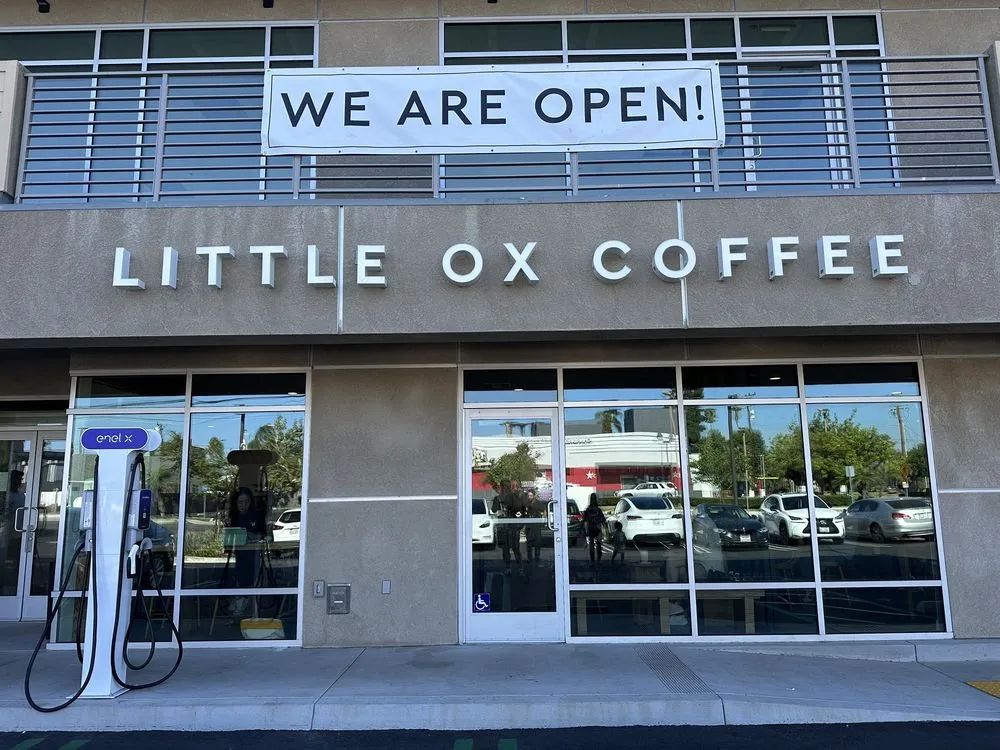
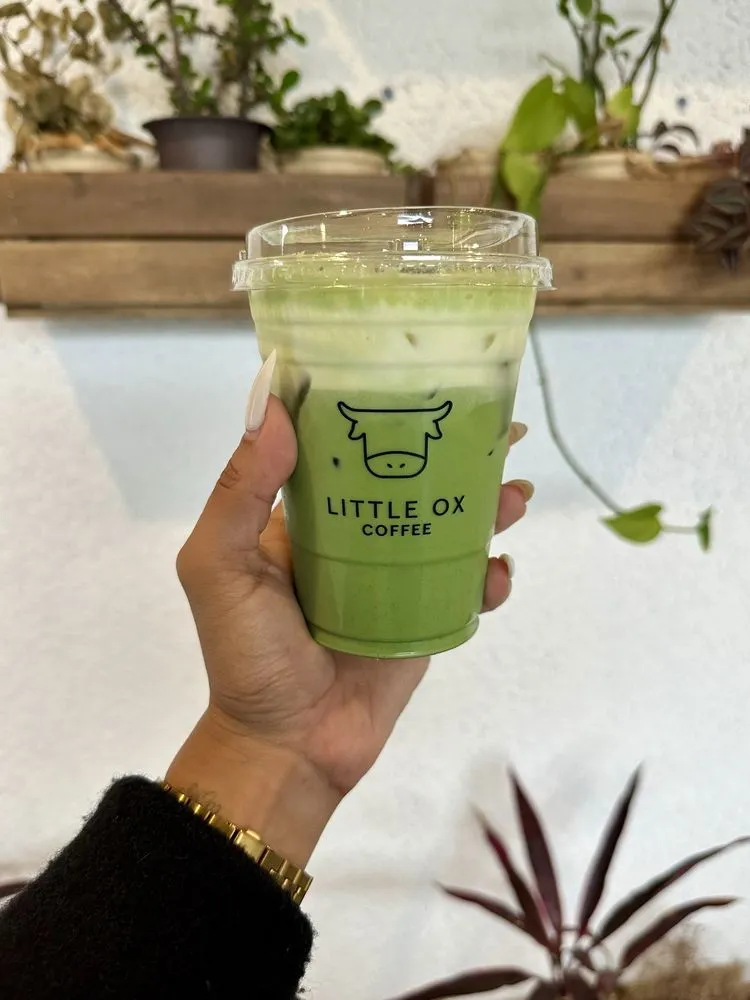
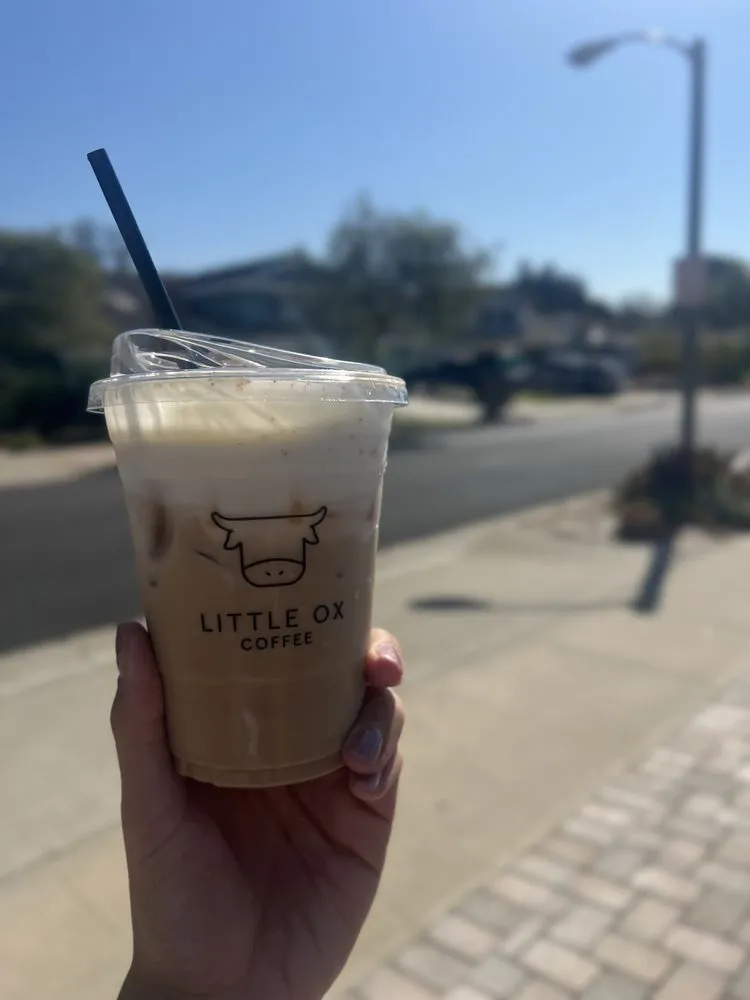
Does Little Ox Coffee Follow Third Wave Coffee Principles?
While every cafe is different, many independent coffee shops naturally adopt elements of third-wave coffee culture.
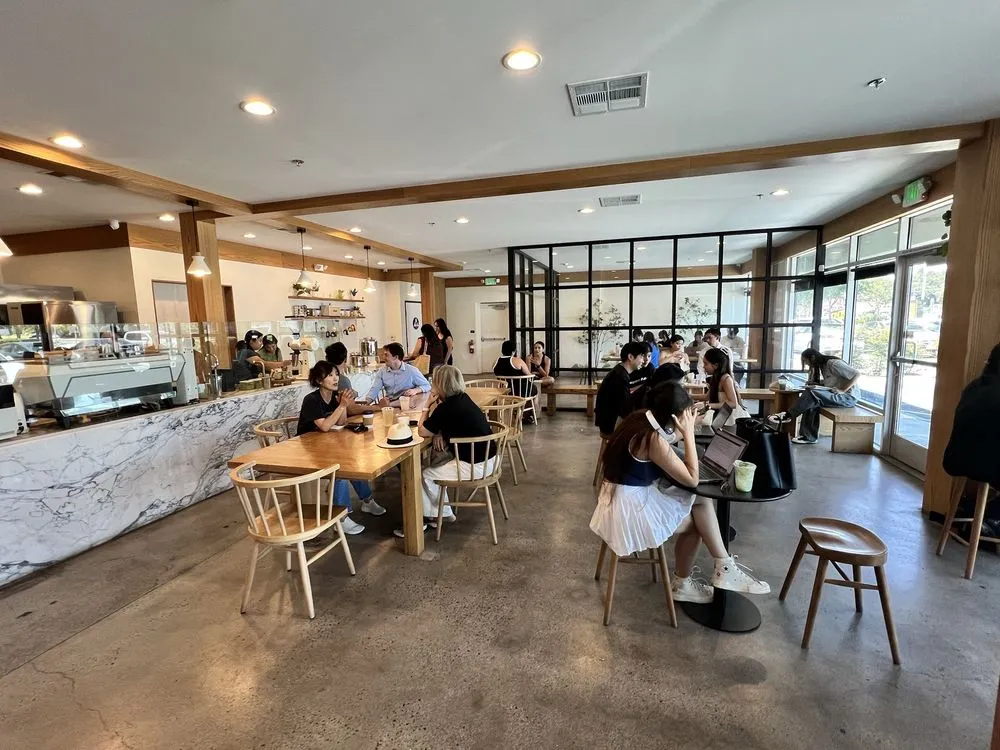
One reason people enjoy Little Ox Coffee is that the focus extends beyond simply serving caffeine.
Attention is given to:
- Drink quality
- Ingredient selection
- Matcha preparation
- Specialty beverages
- Customer experience
The menu features creative drinks, but the coffee itself still plays an important role.
That’s an important distinction.
A specialty drink should complement the coffee rather than hide it.
Many of the drinks discussed on the Little Ox Coffee Menu reflect that philosophy.
The same attention can be seen in matcha preparation as well.
If you’re interested in tea-based beverages, our guide on How Matcha Is Prepared explains why preparation techniques make such a difference in the final drink.
Common Myths About Third Wave Coffee
As third-wave coffee became more popular, a few misconceptions followed.
Let’s clear up some of the biggest ones.
Myth #1: Third Wave Coffee Is Only for Coffee Experts
Not true.
Most people discover specialty coffee simply by trying a drink they enjoy.
You don’t need to understand extraction theory or roasting science.
You only need curiosity.
Myth #2: It’s Always Expensive
Some specialty coffee drinks cost more.
However, the difference often comes from:
- Better ingredients
- Smaller production
- Higher-quality beans
You’re paying for craftsmanship, not just branding.
Myth #3: Dark Roast Means Better Coffee
Many people grew up believing stronger flavor automatically means better coffee.
Third wave coffee challenges that idea.
A lighter roast may reveal flavors that would otherwise be hidden.
Myth #4: Fancy Equipment Is Required
Good equipment helps.
But understanding coffee matters more than owning expensive gear.
Many excellent cups of coffee are made using simple methods.
Why Third Wave Coffee Continues to Grow
Coffee culture has changed dramatically over the last decade.
Customers today want more information about what they’re consuming.
They want transparency.
They want quality.
And they enjoy learning where products come from.
Third-wave coffee aligns naturally with those interests.
It transforms coffee from a routine purchase into an experience.
For some people, that experience begins with a pour-over.
For others, it starts with a carefully crafted latte.
Either way, it often leads to a deeper appreciation for what’s in the cup.
Frequently Asked Questions
What does third-wave coffee mean?
Third-wave coffee refers to a movement that treats coffee as a craft product, emphasizing quality, sourcing, roasting, and preparation.
Why is third-wave coffee different?
Unlike mass-produced coffee, third-wave coffee focuses on transparency, flavor, and craftsmanship throughout the entire process.
Is third-wave coffee better?
Not necessarily better for everyone, but it generally offers more attention to quality and detail.
Do third-wave coffee shops serve espresso drinks?
Yes. Most specialty coffee shops serve espresso-based beverages along with alternative brewing methods.
Why do third-wave cafes talk about coffee origins?
Different growing regions produce different flavor characteristics, making origin an important part of the coffee experience.
Is specialty coffee the same as third-wave coffee?
The terms are closely related. Specialty coffee often serves as the foundation of the third wave movement.
Final Thoughts
Third-wave coffee isn’t about making coffee complicated.
It’s about paying attention to the details that affect flavor.
From sourcing and roasting to brewing and serving, every step matters.
That’s why so many independent cafes have embraced this approach. They aren’t simply selling coffee. They’re sharing the story behind it.
The next time you visit a specialty coffee shop, take a moment to notice the details. Ask where the beans came from.
Try a different brewing method.
Talk to the barista.
You may discover that coffee has far more depth than you ever realized.
And once that happens, it’s difficult to look at coffee the same way again.