
Ask ten people in Fullerton what hojicha is, and most will guess “some kind of matcha.” It isn’t.
Hojicha is roasted, not ground raw, and that one difference changes almost everything about how it tastes, how much caffeine it has, and why it’s become one of the more requested drinks on the Little Ox menu. Price: $5.95.
Table of Contents
What Hojicha Actually Is
Most Japanese green teas — matcha included — are made from raw, unroasted leaves. Hojicha starts the same way, but the leaves get roasted at high heat afterward.
That roasting step is the whole story: it strips out most of the grassy bitterness green tea is known for and replaces it with something closer to toasted nuts and light caramel.
It’s also why hojicha is reddish-brown instead of the bright green you’d expect from a tea latte.
Where the Brown Sugar Pairing Comes From
Pairing roasted tea with brown sugar isn’t a Little Ox invention — it borrows from the brown sugar tea trend that’s been popular across Taiwan and much of East Asia for years, most familiar to a lot of people through brown sugar boba drinks.
The idea translates well to hojicha specifically because both the tea and the sugar share the same caramelized, slightly smoky register, so neither one feels like it’s fighting the other for attention.
What’s Actually In the Cup
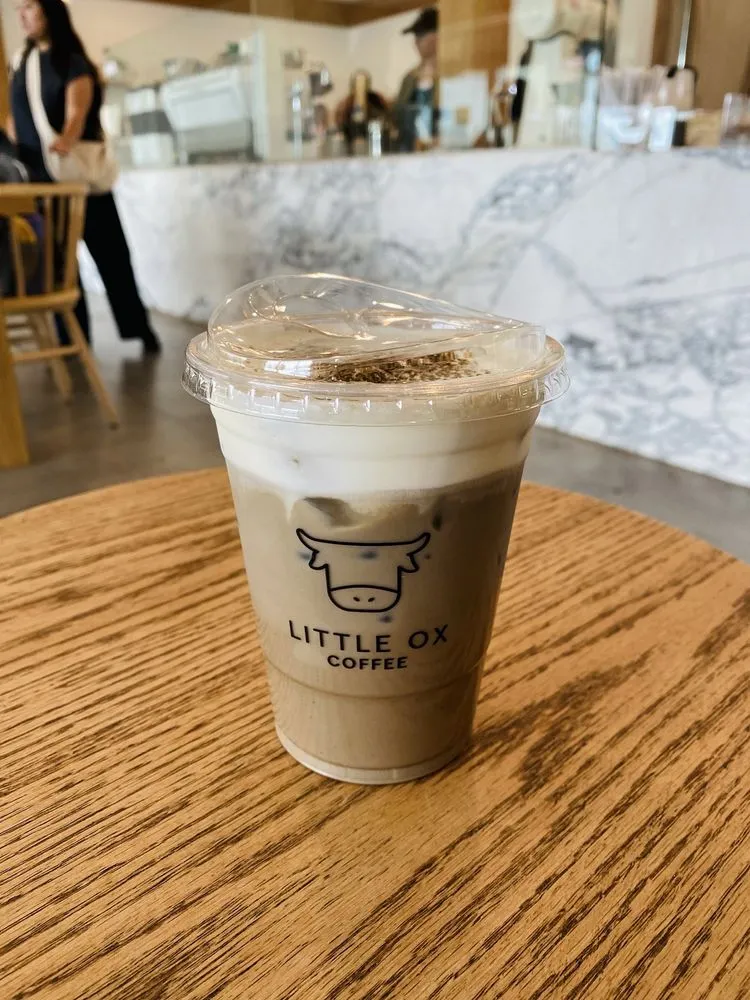
Roasted Japanese hojicha, steamed milk, and a housemade brown sugar syrup — made in small batches at the shop the same way the other syrups here are, not poured from a bottle.
The brown sugar isn’t there to make the drink sweet in an obvious way. It’s there to underline the toasty, caramel-like notes that roasting already gives the hojicha, so the sweetness and the tea flavor feel like they belong together instead of one covering up the other.
The milk matters more than people expect here too. Steamed too hot, it can flatten hojicha’s roasted aroma; steamed right, it carries the toasted flavor through the whole cup instead of just the first sip.
Why People Order It Specifically for the Caffeine
Roasting doesn’t just change hojicha’s flavor — it also significantly lowers its caffeine content compared to unroasted green teas, since high heat breaks down a portion of the caffeine in the leaf during the roasting process.
That makes this one of the lower-caffeine drinks on the menu, without going all the way to a caffeine-free herbal option.
If you want something warm and café-style for the afternoon without derailing your sleep that night, this is usually the safer order compared to a second espresso drink.
How It Compares to the Genji Matcha Latte
If you’ve tried the Genji Matcha Latte, the two make a useful comparison. Genji is bright, earthy, and a little vegetal — it tastes distinctly like tea.
The Brown Sugar Hojicha Latte goes the opposite direction: roasted, warm, and closer to dessert-adjacent without actually being sweet.
If matcha’s grassiness isn’t for you, hojicha is usually the next thing worth trying before writing off tea lattes altogether.
Hot or Iced
Both are on the menu. Hot leans further into the toasted, caramel side of the flavor — it’s the more traditional way to drink hojicha and the version that shows off the roasting most clearly.
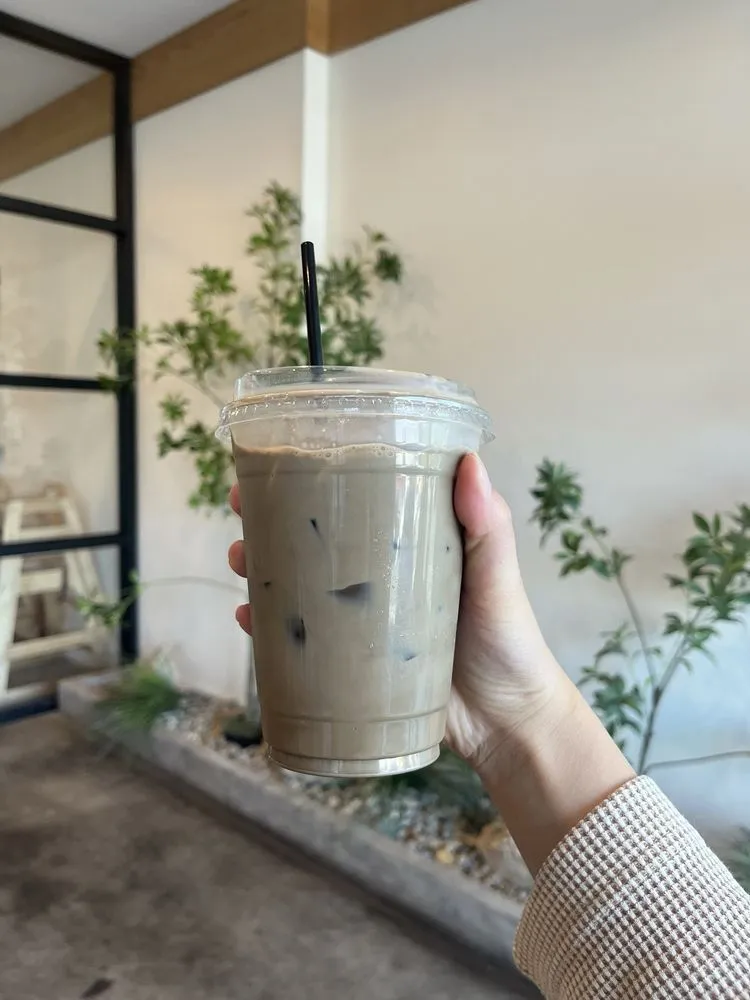
Iced is lighter and a little less intense, closer to what you’d want on a warm Fullerton afternoon when a hot drink feels like too much.
Who Should Order This
Good pick if you want the “cozy café drink” experience without caffeine keeping you up later, or if you’ve had hojicha before and know you like it.
It also pairs naturally with the Coconut Spice Latte if you’re building a mental list of the shop’s warmer, more comforting drinks versus the brighter, more aromatic ones like pandan or matcha.
If you tend to order the same flavored latte everywhere you go, this is a reasonable place to branch out — it’s sweet enough to feel familiar without tasting like every other seasonal drink on every other menu.
Curious what else is on the tea and matcha side of the menu? Browse the full Little Ox Coffee menu →
FAQs
Is hojicha the same as matcha?
No. Both come from the same tea plant, but hojicha is roasted after processing, which gives it a toasted, nutty flavor instead of matcha’s grassy, vegetal one — and noticeably less caffeine.
Is the Brown Sugar Hojicha Latte very sweet?
It’s moderate. The brown sugar syrup adds warmth and depth rather than making it a dessert-level sweet drink.
Does it have caffeine?
Yes, but less than most tea and espresso drinks — the roasting process reduces hojicha’s caffeine content compared to unroasted green tea.
Can I get it iced?
Yes, both hot and iced versions are on the regular menu.


1 thought on “Brown Sugar Hojicha Latte at Little Ox Coffee, Fullerton, CA”