
Matcha has become one of the most popular drinks in specialty coffee shops.
You’ll find it in traditional tea ceremonies, modern cafés, iced lattes, and even desserts.
But most people only see the final product.
They order a matcha latte, take a sip, and enjoy the smooth flavor without thinking much about how it got there.
The truth is that matcha goes through a long process before it reaches your cup.
Unlike regular green tea, matcha requires special growing conditions, careful harvesting, and precise preparation methods.
Every step matters.
A small mistake during production or preparation can affect the color, texture, and flavor of the final drink.
If you’ve ever wondered how matcha is prepared, this guide explains the entire process from tea field to finished cup.
Table of Contents
What Is Matcha?
Matcha is a finely ground powder made from specially grown green tea leaves.
Unlike traditional tea, where leaves are steeped and discarded, matcha allows you to consume the entire tea leaf.
This is one reason matcha has gained attention among tea enthusiasts.
Because the whole leaf is consumed, matcha delivers a concentrated flavor and vibrant green color that sets it apart from other teas.


Matcha vs Regular Green Tea
| Feature | Matcha | Regular Green Tea |
|---|---|---|
| Form | Powder | Whole Leaves |
| Preparation | Whisked into water | Steeped in water |
| Consumption | Entire leaf consumed | Leaves discarded |
| Color | Bright Green | Light Green |
| Flavor | Rich and earthy | Light and grassy |
This difference explains why matcha requires a much more detailed production process.
Step 1: Growing the Tea Plants
Everything begins in the tea fields.
The plants used for matcha belong to the same species as many green teas, but they are grown differently.
Several weeks before harvest, farmers cover the tea plants with shade cloths.
This reduces direct sunlight exposure.
At first, this may seem unusual.
Why would growers intentionally block sunlight?
The answer lies in plant chemistry.
When tea plants receive less sunlight, they produce more chlorophyll.
This creates the deep green color that high-quality matcha is known for.
The shading process also increases amino acids, particularly L-theanine.
L-theanine contributes to matcha’s smooth and slightly sweet flavor.
Without shading, matcha would taste much more bitter.
Step 2: Harvesting the Leaves
Once the growing period is complete, the leaves are harvested.
The youngest and most tender leaves are typically selected for premium matcha.
These leaves offer:
- Better color
- Smoother texture
- Less bitterness
- Higher quality flavor
The timing of the harvest is important.
Leaves picked too early may not have fully developed.
Leaves picked too late can become tougher and less flavorful.
Many premium matcha producers still rely on careful hand selection during harvesting.
Step 3: Steaming the Leaves
Fresh tea leaves begin oxidizing almost immediately after harvest.
If oxidation continues, the leaves will eventually turn into black tea.
To prevent this, the leaves are steamed shortly after harvesting.
Steaming helps preserve:
- Color
- Freshness
- Nutrients
- Flavor compounds
This process is one reason matcha maintains its bright green appearance.
Without steaming, the leaves would lose many of the qualities that make matcha unique.
Step 4: Drying and Sorting
After steaming, the leaves move through a drying process.
At this stage, growers remove unnecessary parts of the plant.
This includes:
- Stems
- Veins
- Tough fibers
The goal is simple.
Only the softest leaf material should remain.
The resulting product is called tencha.
Tencha is essentially matcha before grinding.
It looks like dried green tea leaves but has not yet become powder.
Step 5: Grinding the Leaves Into Matcha Powder
This is where the transformation becomes visible.
The dried tencha leaves are slowly ground into an extremely fine powder.
Traditionally, stone mills are used for this process.
Grinding is intentionally slow.
Why?
Because excessive heat can damage the flavor and color of the tea.
A quality stone mill may take an hour to produce only a small amount of matcha powder.
The result is a powder so fine that it feels almost silky when touched.
Why Grinding Speed Matters
| Fast Grinding | Slow Stone Grinding |
|---|---|
| Generates Heat | Maintains Quality |
| Can Damage Flavor | Preserves Flavor |
| Less Consistent Texture | Smooth Texture |
| Lower Quality Result | Premium Result |
This step plays a major role in determining overall quality.
Step 6: Sifting the Matcha
Before preparation, matcha is often sifted.
This step removes small clumps that naturally form during storage.
Skipping this step can lead to:
- Uneven texture
- Clumping
- Poor mixing
Professional cafés and tea enthusiasts almost always sift matcha before preparing drinks.
While it may seem like a small detail, it significantly improves the final result.
Traditional Matcha Preparation
The traditional method focuses on simplicity.
Only a few tools are required.
Traditional Matcha Tools
| Tool | Purpose |
|---|---|
| Chawan | Matcha bowl |
| Chasen | Bamboo whisk |
| Chashaku | Bamboo scoop |
| Fine Sifter | Removes clumps |
Traditional Preparation Steps
- Sift the matcha powder.
- Add matcha to a bowl.
- Pour in hot water.
- Whisk using a zigzag motion.
- Create a smooth layer of foam.
- Serve immediately.
The whisking technique is important.
Rather than stirring in circles, matcha is whisked rapidly in a “W” or zigzag pattern.
This helps create the smooth texture people expect.



How Coffee Shops Prepare Matcha
Modern cafés often adapt the traditional process.
The goal remains the same: create a smooth and balanced drink.
However, coffee shops frequently prepare matcha for lattes rather than serving it alone.
A typical café process includes:
- Sifting matcha powder.
- Mix with warm water.
- Whisking until smooth.
- Adding milk or milk alternatives.
- Serving hot or iced.
Many specialty cafés still whisk matcha by hand because it creates a better texture than simply blending powder into milk.
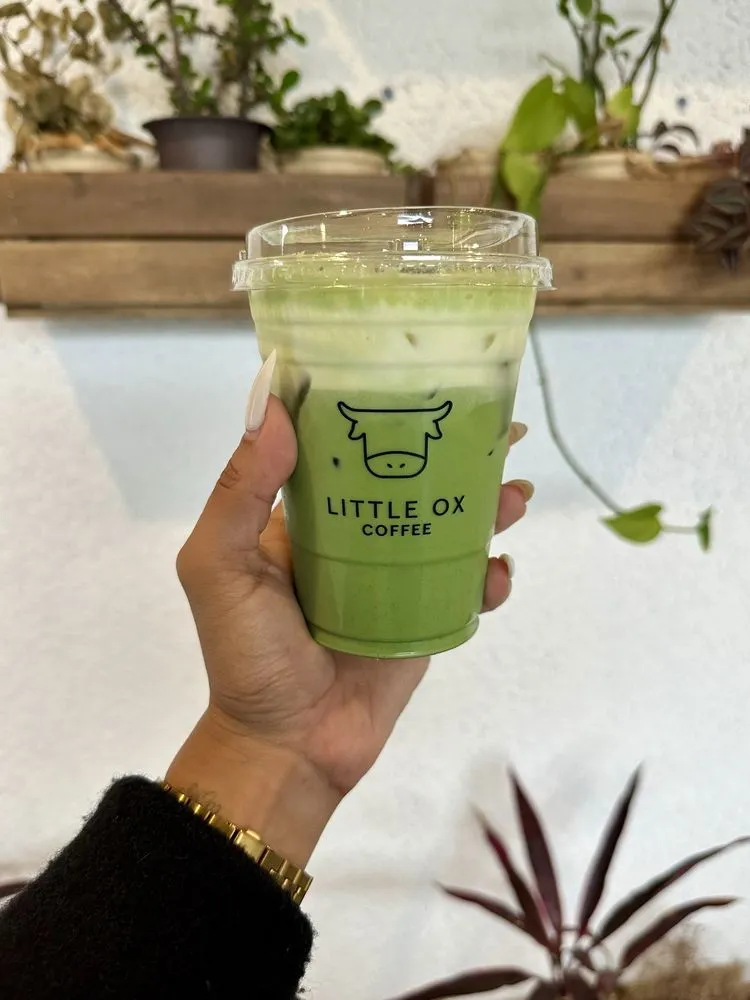
You can find several matcha-based beverages on the Little Ox Coffee Menu, ranging from traditional matcha drinks to specialty creations.
Why Proper Matcha Preparation Matters
Preparation affects nearly every part of the drinking experience.
Poor preparation can result in:
- ❌ Clumps
- ❌ Grainy texture
- ❌ Uneven flavor
- ❌ Excess bitterness
Proper preparation creates:
- ✅ Smooth texture
- ✅ Balanced flavor
- ✅ Better appearance
- ✅ Consistent quality
This is one reason experienced matcha drinkers often notice the difference between specialty cafés and lower-quality alternatives.
Drinks such as the Genji Matcha Latte showcase how proper preparation techniques can create a smooth and balanced matcha experience.
Common Mistakes When Preparing Matcha
Using Water That’s Too Hot
Boiling water can damage matcha’s delicate flavor compounds.
Warm water works better.
Skipping the Sifter
Clumps are one of the biggest problems beginners encounter.
Stirring Instead of Whisking
Whisking creates the texture matcha is known for.
Simple stirring usually isn’t enough.
Using Low-Quality Matcha
Even perfect preparation can’t fully fix poor-quality matcha powder.
How Specialty Coffee Shops Serve Matcha Today
Today’s coffee culture has expanded matcha beyond traditional tea preparation.
You’ll commonly find:
- Matcha Lattes
- Iced Matcha Lattes
- Matcha Cold Foam Drinks
- Flavored Matcha Beverages
- Oat Milk Matcha Drinks
Specialty cafés continue finding new ways to highlight matcha while respecting its traditional roots.
Frequently Asked Questions
What is matcha made from?
Matcha is made from specially grown green tea leaves that are dried and ground into a fine powder.
Why is matcha bright green?
Tea plants are shaded before harvest, which increases chlorophyll production.
Do coffee shops whisk matcha?
Many specialty coffee shops whisk matcha before serving it to improve texture and consistency.
Why is matcha different from green tea?
With matcha, the entire tea leaf is consumed in powdered form rather than steeped and discarded.
Is matcha difficult to prepare?
Not necessarily. The process is simple once you understand the basic steps and use the proper tools.
Conclusion
Matcha may look simple in a cup, but its journey begins long before it reaches your hands.
From shaded tea fields and careful harvesting to stone grinding and whisking, every step contributes to the final product.
That’s what makes matcha unique.
It’s not simply another green tea.
It’s the result of a detailed process designed to preserve flavor, texture, color, and quality.
The next time you enjoy a matcha latte or a traditional bowl of matcha, you’ll have a much better understanding of the craftsmanship behind every sip.