
Most people who order our Pandan Latte for the first time ask the same question before they even taste it: “What is pandan?” It’s a fair question — pandan isn’t a common flavor in American coffee shops, even though it’s one of the most widely used ingredients across Southeast Asian cooking.
We get this question often enough that we figured it deserved a real answer instead of just a one-line menu description.
This isn’t a trendy syrup someone invented for Instagram — pandan has been a kitchen staple across multiple countries for generations, long before it showed up in Western coffee shops.
Understanding where it comes from actually changes how you taste it once it’s in your cup.
Table of Contents
What Pandan Actually Is
Pandan is a tropical plant — specifically the leaf of the Pandanus amaryllifolius plant — used across Thai, Filipino, Indonesian, Malaysian, and Vietnamese kitchens for centuries.
It’s not a spice or a syrup flavor invented for coffee shops; it’s a genuine culinary staple, used in everything from rice dishes to desserts like Filipino buko pandan and Southeast Asian layer cakes.
The plant itself looks like a long, blade-shaped leaf, closer to a grass or lily leaf than anything resembling a spice. In its home regions, cooks use the whole leaf — tying it into knots and simmering it in rice, or steeping it in coconut milk for desserts — rather than extracting a syrup from it the way we do for a latte.
The flavor only really comes out once the leaf is bruised, heated, or steeped, which is why simply looking at a raw pandan leaf tells you almost nothing about what it tastes like.
The flavor itself is hard to compare to anything Western. It’s often described as landing somewhere between vanilla, grass, and a faint nuttiness — some people say it’s close to a cross between vanilla and matcha in terms of how “green” and aromatic it tastes, without any bitterness.
Some cooks compare the aroma to fresh-cut hay with a sweet edge, or to jasmine rice, since pandan is sometimes used specifically to make ordinary rice smell more fragrant.
How We Use It in Our Latte
Our Pandan Latte is built on:
- Housemade pandan leaf syrup — made from the actual leaf, not an artificial pandan flavoring
- Espresso
- Milk
Price: $5.95, making it one of the more affordable Signature Creations on our menu.
Because pandan syrup is naturally more subtle than something like a spice blend, the espresso doesn’t get overwhelmed the way it might in a heavily spiced drink — the coffee flavor stays present, with the pandan adding a soft, sweet, slightly grassy note underneath it.
Making the syrup from real pandan leaf rather than an artificial flavoring matters more here than it might for other syrups.
A lot of pandan products sold commercially (extracts, food coloring, bottled syrups) lean on artificial pandan flavoring, which tends to taste more like a vague “green” sweetness than the real thing — sometimes almost bubblegum-like.
Leaf-based syrup keeps the more natural, slightly savory-sweet edge that real pandan has, instead of a one-note candy flavor.
Where Pandan Shows Up Outside of Coffee
If you’ve had Southeast Asian desserts before, there’s a decent chance you’ve had pandan without realizing it by name.
It’s the green color and flavor behind things like pandan chiffon cake (a popular Singaporean and Malaysian dessert), Vietnamese pandan waffles, and various coconut-pandan jellies and puddings across the region.
In many of these dishes, pandan pairs specifically with coconut — which is part of why some customers who’ve tried our Coconut Spice Latte and this drink both notice a family resemblance between the two, even though the syrups and spice profiles are completely different.
Pandan is also sometimes called “the vanilla of Southeast Asia,” since it plays a similar role in that region’s desserts as vanilla extract does in Western baking — a background flavor that makes other ingredients taste more complete, rather than something meant to stand entirely on its own.
Why It’s Become a Menu Favorite in Fullerton
Southern California has a growing appetite for Southeast Asian-inspired café drinks, and pandan has become something of a breakout flavor — similar to how ube and matcha found mainstream popularity a few years ago.
For a lot of our customers, this is their first introduction to pandan as an ingredient, and it tends to surprise people who expect something closer to a syrup-forward, artificially sweet drink.
Fullerton and the broader Orange County area have a large and long-established Vietnamese and Filipino community, and pandan has been a familiar flavor in local bakeries and dessert shops here for years — it’s not a completely new introduction to the region, even if it’s newer to coffee menus specifically.
For customers who grew up with pandan in home cooking or at local Asian bakeries, ordering this latte is less about trying something exotic and more about seeing a familiar flavor show up somewhere new.
Who Should Order This
If you enjoyed our Coconut Spice Latte but want something less spiced and more aromatic, Pandan is a natural next drink to try — both lean into unique, less-common flavors rather than standard vanilla or caramel.
It also tends to appeal to people who like matcha but want something with a smoother, less vegetal edge.
If you’re someone who wants a very sweet, dessert-style drink, this one is more subtle than that — the syrup is balanced rather than heavy-handed.
Hot or Iced?
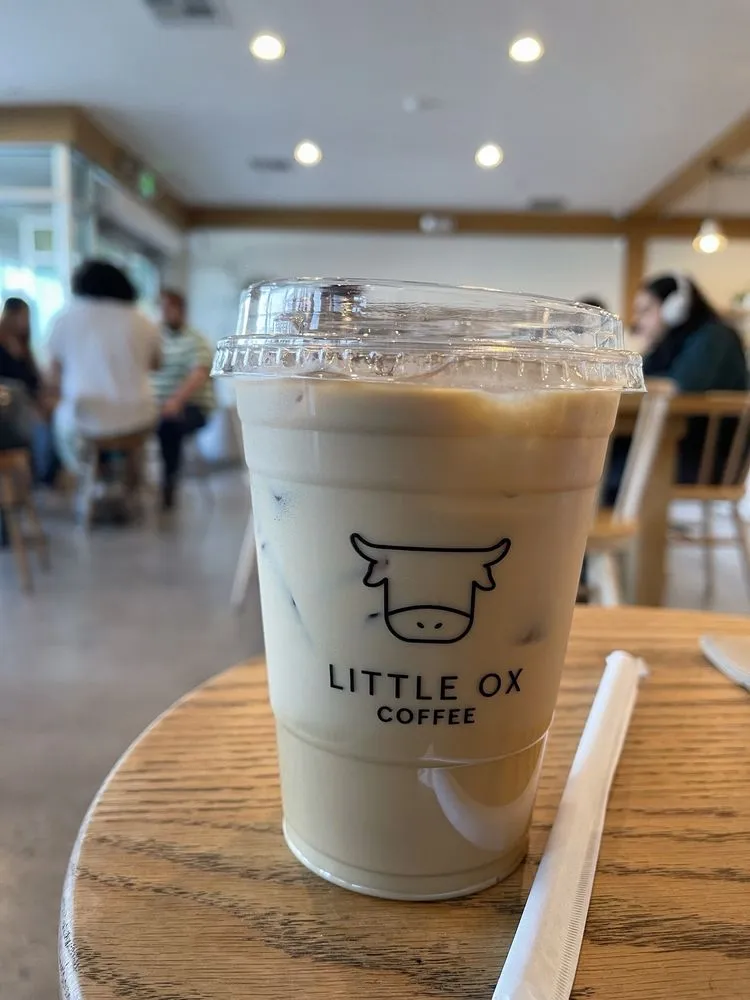
Both work, but they highlight slightly different things. Heat brings out more of the grassy, aromatic quality, closer to how pandan smells when it’s used in cooking. Iced tends to taste cleaner and more subtly sweet, since the cold temperature mutes some of the more vegetal notes.
If it’s your first time trying pandan, we’d lean toward recommending it hot first, since that’s closer to how the flavor is traditionally experienced.

Customizing Your Order
- Extra shot: If you want the espresso to be more noticeable against the pandan, an added shot works well without throwing off the balance.
- Less syrup: For a more coffee-forward cup with just a hint of pandan in the background, ask for the syrup on the lighter side.
- Oat or coconut milk: Either pairs naturally with pandan’s flavor profile, and coconut milk specifically leans into the same pairing you’d find in traditional Southeast Asian pandan desserts.
Pairing Suggestions
Because pandan has a natural affinity with coconut, pairing this drink with anything coconut-based (a coconut macaroon, for instance) tends to work well, echoing flavor combinations already common in the desserts pandan comes from.
If you want a simpler pairing, a plain butter cookie or shortbread won’t compete with the subtle syrup flavor.
FAQ
Is pandan the same as matcha?
No — they just share a similar “green, aromatic” quality. Matcha comes from ground green tea leaves and has natural caffeine and bitterness; pandan is a leaf used mainly for its fragrance and comes through our housemade syrup, not as a tea base.
Does it taste like vanilla?
It’s often compared to vanilla because of the sweet, aromatic quality, but pandan has a distinct grassy note that vanilla doesn’t have.
Is it very sweet?
It’s on the milder end of our syrup-based drinks — closer to Pumpkin Chai in sweetness than to something like the Honey Lavender Oat Latte.
Can I get it iced?
Yes, it works well both hot and iced, though the aromatic quality is slightly more noticeable when it’s hot.
Curious about our other unique flavor drinks? Check out the Coconut Spice Latte or browse the full Little Ox Coffee menu.