
Hojicha vs Matcha: Which One Should You Choose?
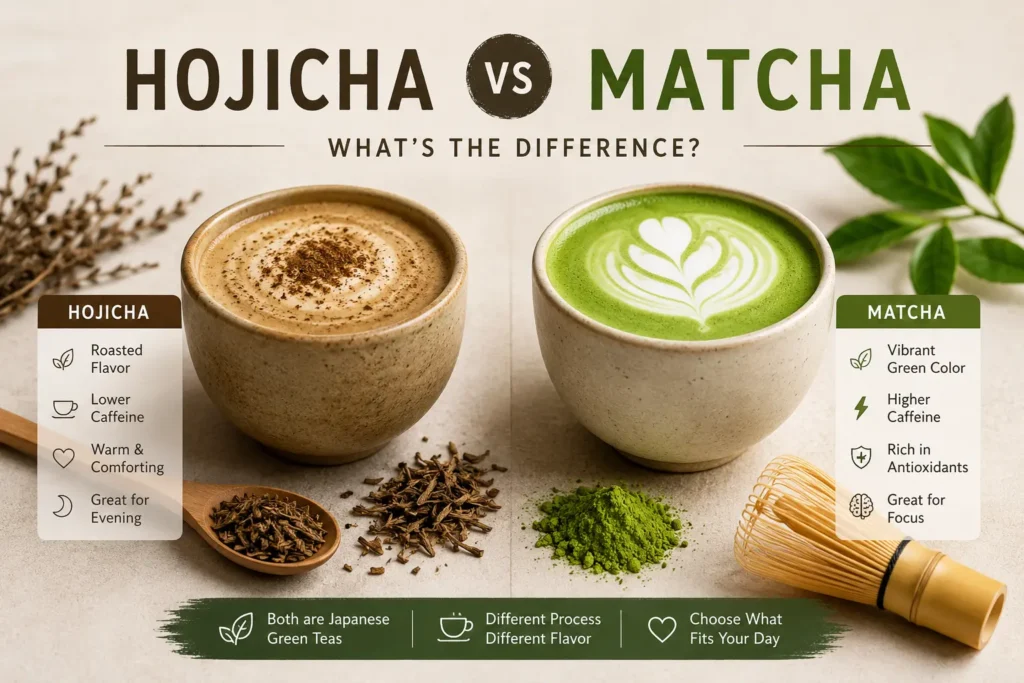
Walk into a specialty coffee shop today, and you’ll probably find more than just coffee on the menu.
Matcha has become one of the most popular alternatives to espresso, while hojicha has quietly developed a loyal following among tea lovers.
At first glance, they might seem similar.
Both come from Japan.
Both are green tea products.
Both are commonly served as lattes.
But once you take a sip, the differences become obvious.
Matcha is vibrant, grassy, and energetic.
Hojicha is warm, roasted, and comforting.
So which one is better?
The answer depends entirely on your taste preferences.
If you’ve explored drinks at Little Ox Coffee, you’ve probably noticed that both matcha and hojicha drinks have become increasingly popular among customers looking for something different from traditional coffee.
In this guide, we’ll compare hojicha and matcha side by side so you can decide which tea deserves a place in your next order.
Table of Contents
What Is Matcha?
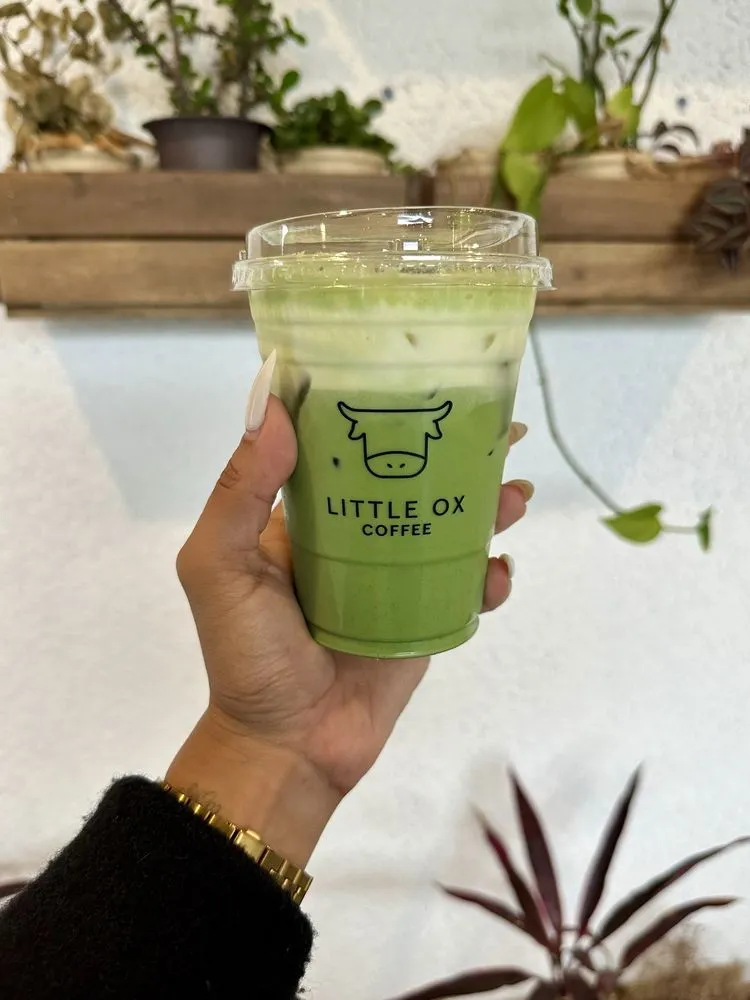
Matcha is a powdered green tea made from specially grown tea leaves.
Several weeks before harvest, tea plants are shaded from direct sunlight.
This process increases chlorophyll levels and creates the bright green color matcha is known for.
After harvesting, the leaves are steamed, dried, and ground into a fine powder.
Unlike traditional tea, where the leaves are steeped and removed, matcha allows you to consume the entire leaf.
This creates a richer flavor and a higher concentration of nutrients.
If you’re interested in learning more about the production process, check out our guide on How Matcha Is Prepared
Matcha Flavor Profile
Many people describe matcha as:
- Earthy
- Slightly sweet
- Vegetal
- Smooth
- Rich
High-quality matcha should feel balanced rather than bitter.
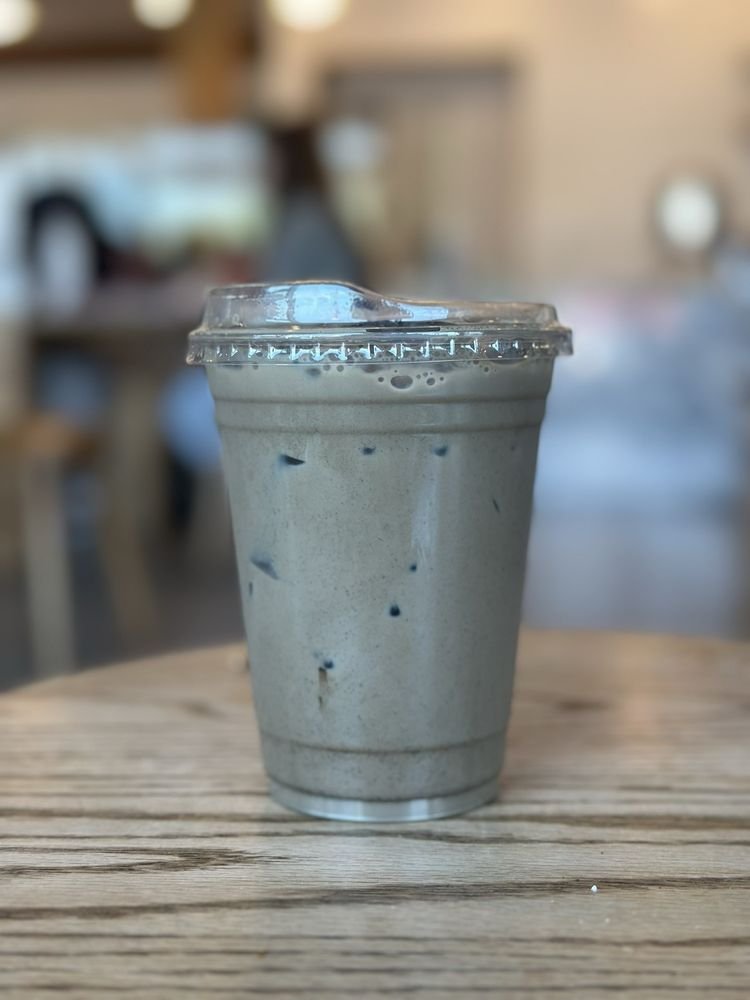
What Is Hojicha?
Hojicha is also a Japanese green tea, but it goes through a very different process.
Instead of being shaded before harvest, hojicha leaves are roasted at high temperatures.
This roasting process completely changes the flavor.
The bright green color disappears.
The tea develops warm brown tones and a toasted aroma.
The result is a drink that feels closer to roasted nuts or caramelized flavors than traditional green tea.
Hojicha Flavor Profile
Most people describe hojicha as:
- Roasted
- Nutty
- Smoky
- Smooth
- Mildly sweet
Because of its roasted flavor, hojicha often appeals to people who don’t normally enjoy green tea.
The Biggest Difference: Flavor
If you’re deciding between hojicha and matcha, flavor should be your starting point.
Here’s a quick comparison:
| Feature | Matcha | Hojicha |
|---|---|---|
| Flavor | Earthy | Roasted |
| Sweetness | Natural sweetness | Toasted sweetness |
| Aroma | Fresh and grassy | Warm and nutty |
| Finish | Rich | Smooth |
| Beginner Friendly | Moderate | High |
Many first-time tea drinkers find hojicha easier to enjoy because it lacks the grassy notes that matcha can sometimes have.
However, matcha lovers often appreciate its complexity and depth.
How Preparation Methods Differ
Although both drinks come from the same tea plant, the preparation methods are completely different.
Matcha Preparation
Matcha is:
- Sifted
- Combined with water
- Whisked until smooth
- Served alone or with milk
This process creates the creamy texture matcha is known for.
Hojicha Preparation
Hojicha is traditionally:
- Steeped in hot water
- Allowed to infuse flavor
- Strained
- Served hot or iced
Some cafés also use powdered hojicha for lattes.
One popular example is the Brown Sugar Hojicha Latte, which combines roasted tea notes with sweetness for a balanced drink.
Which Tea Has More Caffeine?
Many people assume all green tea contains similar caffeine levels.
That’s not true.
Because matcha uses the entire tea leaf, it typically contains more caffeine than hojicha.
| Tea | Typical Caffeine Level |
|---|---|
| Matcha | High |
| Hojicha | Low to Moderate |
| Coffee | Highest |
This makes hojicha a popular evening drink.
People who want the comfort of a warm beverage without a strong caffeine boost often choose hojicha instead of matcha.
Which One Works Better as a Latte?
This is where personal preference matters.
Matcha lattes tend to feel:
- Richer
- Creamier
- More energetic
Hojicha lattes tend to feel:
- Smoother
- Toastier
- More comforting
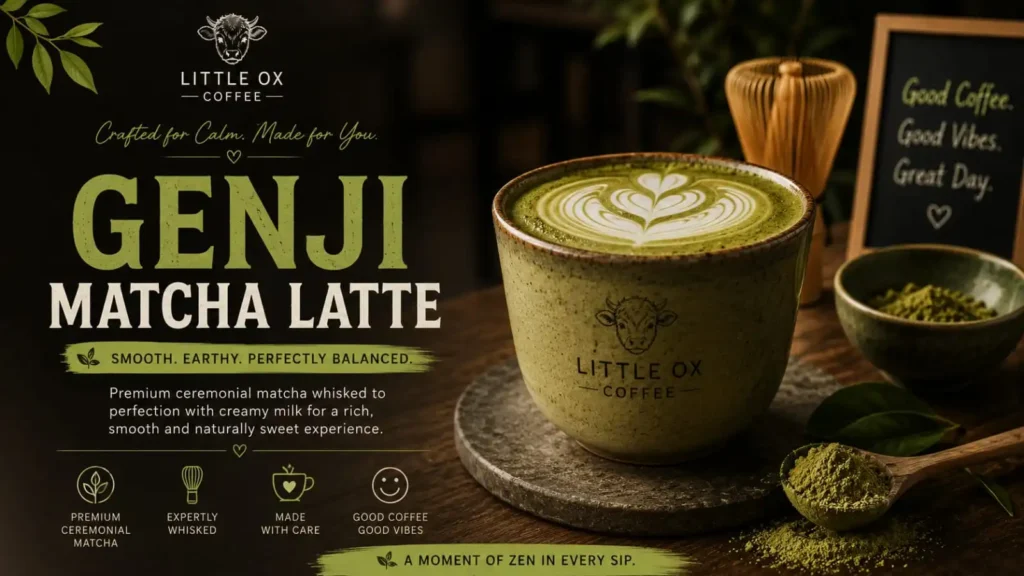
At specialty cafés, drinks like the Genji Matcha Latte showcase the bold side of matcha, while hojicha-based drinks highlight roasted flavors that pair beautifully with milk.
Many customers enjoy both for different occasions.
Health Benefits: Matcha vs Hojicha
People often compare matcha and hojicha based on flavor alone.
But health benefits are another reason these teas have become popular.
Since matcha is made from finely ground tea leaves, you consume the entire leaf rather than simply drinking an infusion.
This means matcha generally contains higher levels of:
- Antioxidants
- Catechins
- Chlorophyll
- L-theanine
Hojicha offers benefits too, but its roasting process changes the tea’s composition.
Many people choose hojicha because it feels gentler and easier to drink throughout the day.
Quick Comparison
| Feature | Matcha | Hojicha |
|---|---|---|
| Antioxidants | Higher | Moderate |
| Caffeine | Higher | Lower |
| L-Theanine | Higher | Moderate |
| Evening Friendly | Less Ideal | Excellent |
| Beginner Friendly | Moderate | High |
Neither tea is objectively better.
The best choice depends on what you’re looking for.
Which Tea Is Better for Beginners?
This is one of the most common questions people ask.
If you’ve never tried Japanese tea before, starting with hojicha may feel easier.
Why?
Because the roasted flavor feels familiar.
Many people compare hojicha to:
- Roasted nuts
- Light coffee
- Toasted grains
The flavor profile feels warm and approachable.
Matcha, on the other hand, can surprise first-time drinkers. Its grassy and earthy notes are very different from traditional coffee drinks.
That doesn’t mean matcha is difficult to enjoy. It simply takes a little more adjustment.
Best Choice for First-Time Tea Drinkers
| Preference | Recommended Tea |
|---|---|
| Coffee Lover | Hojicha |
| Tea Lover | Matcha |
| Lower Caffeine | Hojicha |
| Rich Flavor | Matcha |
| Traditional Japanese Tea Experience | Matcha |
Which Tea Is Better for Studying or Work?
Both drinks have become popular among students and remote workers.
However, they create very different experiences.
Why Some People Choose Matcha
Matcha contains caffeine along with L-theanine.
This combination often creates a steady energy boost without feeling overly intense.
Many people drink matcha when they need:
- Focus
- Productivity
- Mental clarity
- Long study sessions
That’s one reason matcha has become so popular in specialty cafés.
Why Others Prefer Hojicha
Not everyone wants a strong caffeine boost.
Hojicha offers a more relaxed experience.
Many people choose it:
- During the afternoon
- In the evening
- While reading
- During casual conversations
The lower caffeine content makes it a comfortable option later in the day.

Why Specialty Coffee Shops Serve Both
If matcha is so popular, why do coffee shops bother serving hojicha?
The answer is simple.
They appeal to different people.
A well-rounded menu should offer variety.
Matcha attracts customers looking for:
- Strong tea flavor
- Bright green color
- Higher caffeine
Hojicha attracts customers looking for:
- Roasted flavors
- Lower caffeine
- Something unique
This is why many specialty coffee shops now offer both options.
You can often see this approach on the Little Ox Coffee Menu, where customers have multiple tea-based choices depending on their preferences.
Which Drink Should You Order at Little Ox Coffee?
If you’re visiting for the first time, your choice should depend on what you normally enjoy.
Choose Matcha If You Like:
- ✔ Green tea
- ✔ Strong flavors
- ✔ Higher caffeine
- ✔ Traditional Japanese tea
A great place to start is the Genji Matcha Latte
For those interested in premium matcha varieties, Okumidori Matcha offers a deeper and more traditional flavor profile.
Choose Hojicha If You Like:
- ✔ Roasted flavors
- ✔ Lower caffeine
- ✔ Smooth beverages
- ✔ Coffee-like warmth
The Brown Sugar Hojicha Latte (Internal Link → Brown Sugar Hojicha Latte article) remains one of the most approachable introductions to hojicha.
The Growing Popularity of Japanese Tea Drinks
Over the past few years, American coffee culture has expanded far beyond espresso.
Customers today are more willing to explore:
- Matcha
- Hojicha
- Specialty teas
- Seasonal beverages
- International flavors
This shift has helped introduce many people to Japanese tea traditions.
For those interested in learning more about Japanese green tea varieties, the Japanese Green Tea Guide can provide additional background on how different teas are grown and prepared.
Frequently Asked Questions
Is hojicha healthier than matcha?
Both teas offer health benefits. Matcha generally contains more antioxidants, while hojicha contains less caffeine.
Does hojicha taste like coffee?
Not exactly, but many people notice roasted flavors that feel somewhat familiar to coffee drinkers.
Which has more caffeine, hojicha or matcha?
Matcha typically contains significantly more caffeine than hojicha.
Is hojicha good for beginners?
Yes. Many people find hojicha easier to enjoy because of its roasted and nutty flavor profile.
Which tea is more popular?
Matcha remains more widely known, but hojicha has been growing in popularity among specialty tea and coffee enthusiasts.
Can I drink hojicha at night?
Many people do because it contains less caffeine than matcha.
Final Thoughts
Although matcha and hojicha come from the same tea plant, they offer completely different drinking experiences.
Matcha delivers bold flavor, vibrant color, and a stronger caffeine boost.
Hojicha offers roasted notes, a smoother profile, and a more relaxed experience.
Neither tea is better than the other. They simply serve different purposes. If you’re looking for focus and energy, matcha may be the right choice.
If you want something warm, comforting, and lower in caffeine, hojicha is hard to beat.
The good news is that you don’t have to choose only one.
Many tea lovers enjoy both, depending on the time of day and the kind of experience they’re looking for.