
Why Does Café Matcha Look Better Than Homemade Matcha?
The first time I tried making matcha at home, I was convinced I had purchased the wrong matcha powder.
The drink looked nothing like the matcha lattes I enjoyed at coffee shops.
Instead of a smooth, vibrant green drink, I ended up with:
- Clumps of powder
- Uneven texture
- Weak foam
At first, I blamed the matcha.
Then I learned the problem wasn’t the tea.
It was my technique.
More specifically, it was the tool I was using.
I had tried mixing matcha with a spoon.
As it turns out, traditional matcha preparation relies on a very different tool.
A matcha whisk, known as a chasen, helps create the smooth texture and light foam that many people associate with properly prepared matcha.
If you’re just getting started with matcha, choosing the right whisk can make the process much easier.
Table of Contents

What Is a Matcha Whisk?
A matcha whisk is a traditional Japanese tool designed specifically for preparing matcha.
Unlike a kitchen whisk, a matcha whisk contains dozens of thin bamboo tines.
These delicate tines help:
- Break apart clumps
- Mix matcha evenly
- Create foam
- Improve texture
For centuries, matcha preparation has relied on this simple design.
Even today, many tea enthusiasts continue using bamboo whisks because they work remarkably well.
Why Matcha Whisks Matter
Many beginners assume any stirring tool will work.
Technically, you can mix matcha with a spoon.
The result just won’t be the same.
Without a Proper Whisk
You may notice:
❌ Clumping
❌ Uneven flavor
❌ Poor texture
❌ Limited foam
With a Proper Whisk
You typically get:
✔ Better mixing
✔ Smoother texture
✔ Improved appearance
✔ More enjoyable preparation
This is one reason cafés and specialty tea shops continue using traditional whisking methods.
What Is a Chasen?
The traditional bamboo matcha whisk is known as a chasen.
A chasen is usually carved from a single piece of bamboo.
The fine tines are carefully shaped to help aerate and mix the tea.
Traditional tea ceremonies often use handcrafted chasen whisks.
Modern versions vary in design, but the basic concept remains the same.
The goal is simple:
Create a smooth bowl of matcha without lumps.
Bamboo vs Metal Matcha Whisks
One of the first decisions beginners face is choosing between bamboo and metal options.
Quick Comparison
| Feature | Bamboo Whisk | Metal Whisk |
|---|---|---|
| Traditional | Yes | No |
| Foam Quality | Excellent | Moderate |
| Matcha Experience | Authentic | Basic |
| Durability | Moderate | High |
| Recommended for Beginners | Yes | Sometimes |
For most people, a bamboo whisk remains the best starting point.
It offers the most traditional experience and usually produces better results.
Best Overall Matcha Whisk: Traditional 100-Prong Bamboo Chasen
If someone asks me for one recommendation, this is usually where I start.
A standard 100-prong bamboo whisk balances ease of use with excellent performance.
Why It Works
- Creates good foam
- Easy to control
- Beginner-friendly
- Widely available
Many matcha enthusiasts continue using this style even after years of experience.
Best For
- Daily matcha
- Matcha lattes
- Traditional preparation
- Beginners
For most readers, a quality 100-prong whisk is all they need.
Best Budget Option
Not everyone wants to invest heavily when trying matcha for the first time.
Fortunately, many affordable bamboo whisks perform surprisingly well.
When evaluating budget options, focus on:
- Evenly cut tines
- Smooth finish
- Comfortable grip
- Positive customer feedback
The goal isn’t finding the cheapest whisk.
It’s finding one that makes preparation enjoyable.
Best Premium Matcha Whisk
Premium whisks often feature:
- Higher-quality bamboo
- More detailed craftsmanship
- Improved durability
- Better tine consistency
Tea enthusiasts who prepare matcha regularly may appreciate these differences.
For casual drinkers, however, a standard bamboo whisk is often more than sufficient.
The biggest improvement usually comes from using a whisk—not necessarily from buying the most expensive one.
How to Choose the Right Matcha Whisk
The best matcha whisk depends on how you plan to use it.
Some people prepare matcha every morning.
Others only make it a few times each month.
Fortunately, beginners don’t need anything overly complicated.
Simple Buying Guide
| Your Situation | Recommended Option |
|---|---|
| First-Time User | 100-Prong Bamboo Chasen |
| Daily Matcha Drinker | Premium Bamboo Chasen |
| Travel Use | Compact Bamboo Whisk |
| Convenience First | Metal Matcha Whisk |
| Traditional Experience | Handmade Bamboo Chasen |
For most readers, a standard bamboo whisk remains the safest choice.
It offers a good balance between performance, simplicity, and affordability.

How to Use a Matcha Whisk Properly
Owning a good whisk is only part of the process.
Technique matters too.
Many beginners stir matcha the same way they would stir coffee.
That’s usually where problems begin.
Basic Matcha Whisking Method
- Sift the matcha powder.
- Add warm water.
- Hold the whisk lightly.
- Move the whisk in a quick “W” or “M” motion.
- Continue until a light foam forms.
The goal is not stirring.
The goal is whisking.
This small difference often creates noticeably better results.
If you’re interested in the full preparation process, our guide on How Matcha Is Prepared covers each step in more detail.
Common Matcha Whisk Mistakes
When people struggle with homemade matcha, the whisk often gets blamed.
In reality, the problem is usually technique.
Using Water That Is Too Hot
Boiling water can make matcha taste bitter.
Most matcha enthusiasts prefer slightly cooler water.
Pressing Too Hard
The whisk should glide through the liquid.
Aggressive whisking can damage the bamboo tines.
Skipping the Sifting Step
Matcha naturally forms small clumps.
Sifting helps create a smoother texture before whisking begins.
Leaving the Whisk Wet
After use, the whisk should be rinsed and allowed to dry properly.
This helps extend its lifespan.
How Long Does a Matcha Whisk Last?
This depends on frequency of use and maintenance.
A well-cared-for bamboo whisk can often last several months or longer.
Factors That Affect Lifespan
- Frequency of use
- Cleaning habits
- Storage conditions
- Bamboo quality
Signs that a whisk may need replacement include:
- Broken tines
- Significant warping
- Difficulty creating foam
Because bamboo is a natural material, some wear is expected over time.
Should Beginners Buy a Matcha Whisk Holder?
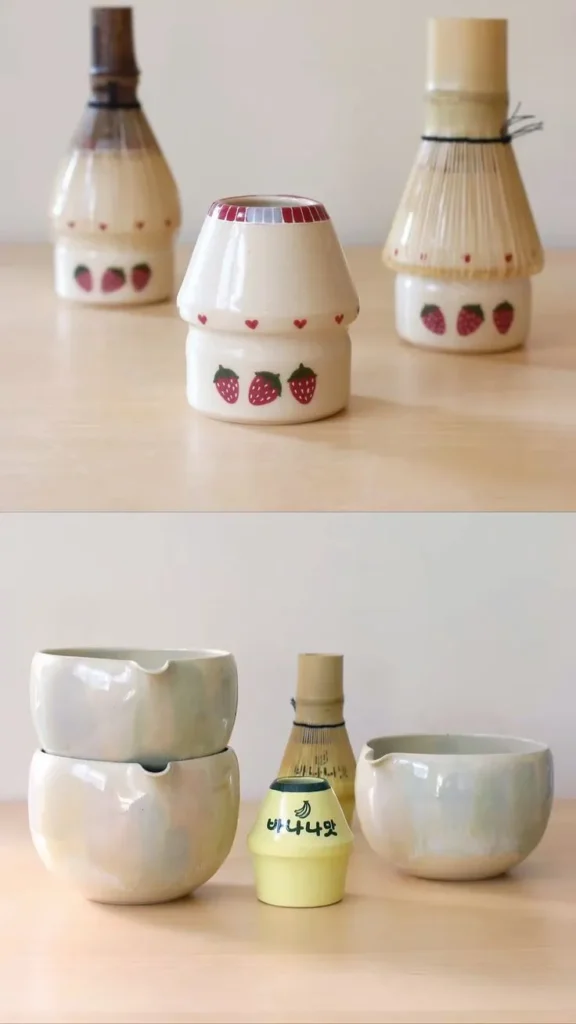
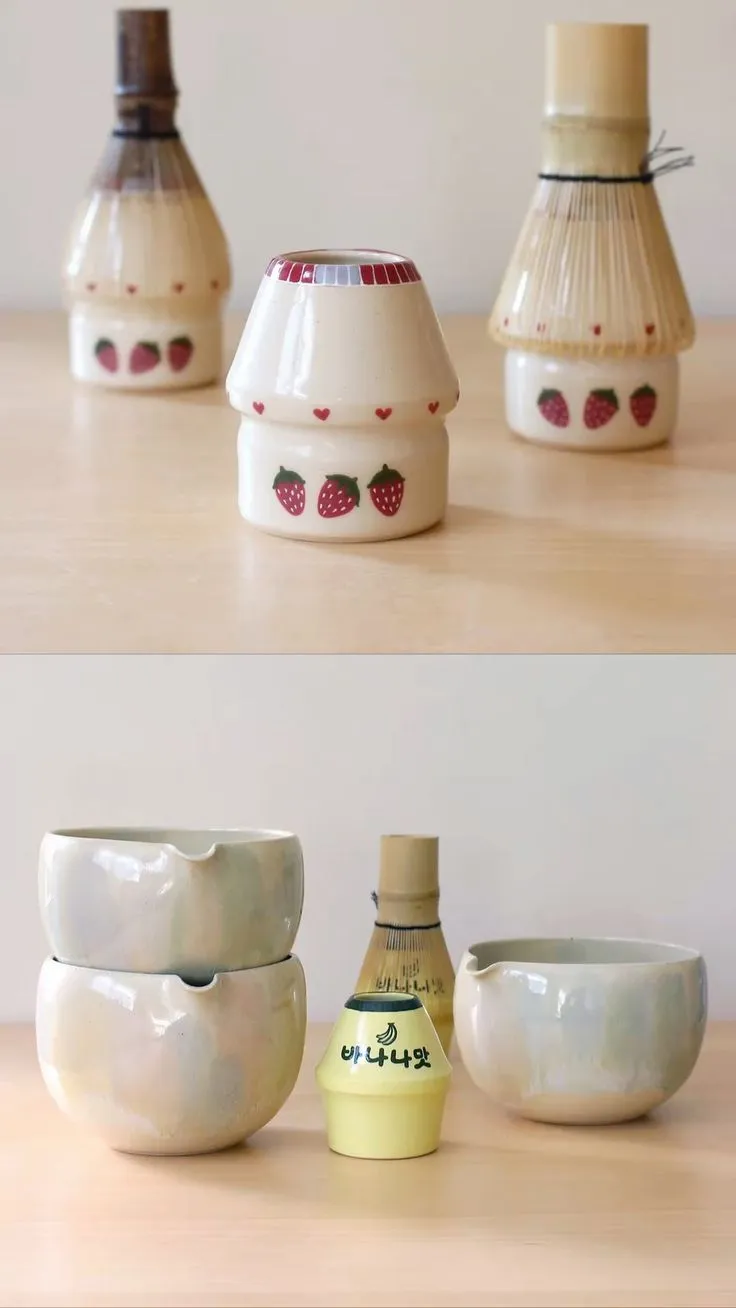
Many matcha users eventually purchase a whisk holder, also known as a kusenaoshi.
This small ceramic stand helps maintain the whisk’s shape.
Benefits of a Whisk Holder
✔ Helps preserve tine shape
✔ Improves drying
✔ Extends whisk life
✔ Keeps equipment organized
While not essential, it can be a useful accessory for frequent matcha drinkers.
Why Traditional Tools Still Matter
One reason matcha preparation remains so enjoyable is the ritual itself.
The process encourages people to slow down.
Grinding, whisking, and preparing tea become part of the experience.
That’s why traditional tools continue to remain popular despite modern alternatives.
The whisk isn’t simply a mixing tool.
It’s part of the preparation process that has been refined over generations.
Many people discover that using traditional tools makes matcha feel more intentional and enjoyable.
Matcha Preparation Is About More Than Equipment
It’s easy to focus on accessories.
But great matcha still depends on several factors working together.
These include:
- Matcha quality
- Water temperature
- Whisking technique
- Proper equipment
A quality whisk helps.
But practice matters too.
The good news is that most people improve quickly after a few attempts.
Frequently Asked Questions
What is the best matcha whisk for beginners?
A traditional 100-prong bamboo chasen is usually the best option for beginners because it balances performance and ease of use.
Do I really need a matcha whisk?
While matcha can be mixed using other tools, a dedicated whisk generally creates smoother texture and better foam.
What is a chasen?
A chasen is a traditional Japanese bamboo whisk designed specifically for preparing matcha.
How long does a bamboo matcha whisk last?
With proper care, many bamboo whisks last several months or longer depending on frequency of use.
Can I use a metal whisk for matcha?
Yes, but many people prefer bamboo whisks because they create a more traditional preparation experience.
Why is my matcha clumpy?
Common causes include skipping the sifting step, poor whisking technique, or using the wrong tool.
Final Thoughts
When people start making matcha at home, they often focus on the tea itself.
That’s understandable.
Matcha is the star of the drink.
However, the whisk plays an important supporting role.
A good whisk helps create:
- Better texture
- Smoother consistency
- Improved foam
- A more enjoyable preparation process
The best part is that beginners don’t need expensive equipment to get started.
For most people, a simple bamboo chasen provides everything needed to prepare delicious matcha at home.
Whether you’re exploring traditional tea preparation or recreating drinks similar to the Genji Matcha Latte and other matcha favorites, choosing the right whisk can make the experience much more enjoyable.
Affiliate Disclosure
This guide contains independent recommendations based on traditional matcha preparation methods, community feedback, and product reputation. If affiliate links are added in the future, they may generate a commission at no additional cost to readers.