
The Most Important Drink in a Coffee Shop Isn’t Actually a Latte
Walk into almost any specialty coffee shop and you’ll see people ordering all kinds of drinks.
Some choose a vanilla latte.
Others go for a cappuccino.
A few order iced specialty drinks loaded with creative flavors.
But behind nearly all of those drinks is one thing:
Espresso.
It’s easy to overlook because most people never order it by itself.
Yet espresso serves as the foundation for many of the beverages found in modern coffee shops.
Without espresso, there would be no latte.
No cappuccino.
No flat white.
No mocha.
The next time you watch a barista working behind the counter, pay attention to the machine.
Every drink starts with a small shot of concentrated coffee.
That shot is espresso.
And creating a great espresso shot requires much more skill than most people realize.
Table of Contents
Espresso Is Not a Type of Coffee Bean
Let’s clear up one of the biggest misconceptions first.
Many people believe espresso is a specific coffee bean.
It isn’t.
Espresso is actually a brewing method.
Almost any coffee bean can be used to make espresso.
The difference comes from:
- Grind size
- Brewing pressure
- Extraction time
- Water temperature
The brewing process creates the concentrated flavor that espresso is known for.
What Makes Espresso Different?
Traditional coffee relies on gravity.
Water slowly passes through coffee grounds.
Espresso works differently.
Hot water is forced through finely ground coffee under high pressure.
This process creates a drink that is:
- Stronger
- More concentrated
- Richer
- More complex
Because extraction happens quickly, precision becomes extremely important.
Even small mistakes can affect the final result.


The Equipment Behind Every Espresso Shot
Making espresso requires specialized equipment.
Every tool plays a role.
Espresso Tools Explained
| Tool | Purpose |
|---|---|
| Grinder | Produces fine coffee grounds |
| Portafilter | Holds the coffee |
| Tamper | Compresses coffee evenly |
| Espresso Machine | Creates brewing pressure |
| Scale | Measures accuracy |
Professional coffee shops use these tools every day to ensure consistency.
Without them, producing quality espresso becomes much more difficult.
Step 1: Grinding the Coffee
Everything starts with the grind.
Coffee must be ground much finer for espresso than for regular drip coffee.
The reason is simple.
Espresso extraction happens very quickly.
A finer grind helps create enough resistance for proper extraction.
Why Grind Size Matters
If the grind is too coarse:
- ❌ Espresso may taste weak
- ❌ Water flows too quickly
- ❌ Flavor becomes underdeveloped
If the grind is too fine:
- ❌ Extraction slows down
- ❌ Bitterness increases
- ❌ Flavor becomes harsh
Finding the right grind size is one of the most important skills a barista develops.
Step 2: Dosing the Coffee
After grinding, the coffee is weighed.
This step is called dosing.
Most specialty coffee shops measure coffee precisely rather than estimating.
Why?
Because consistency matters.
Using too much or too little coffee can dramatically change the shot.
Typical Espresso Dose
| Espresso Type | Coffee Used |
|---|---|
| Single Shot | 7–10 grams |
| Double Shot | 18–20 grams |
Many modern cafés use double shots as their standard.
Step 3: Tamping
Once the coffee is placed into the portafilter, it must be compressed.
This process is called tamping.
A tamper is used to create an even surface.
At first glance, tamping seems simple.
However, uneven tamping can create problems.
Water naturally follows the path of least resistance.
If one side is compressed more than the other, water may flow unevenly through the coffee.
The result?
An inconsistent espresso shot.
Good tamping helps create uniform extraction.
Step 4: Extraction Begins
This is where the magic happens.
The portafilter is locked into the espresso machine.
Hot water is pushed through the coffee at high pressure.
Within seconds, espresso begins flowing into the cup.
Baristas carefully watch:
- Color
- Flow rate
- Timing
- Yield
Everything provides information about extraction quality.
A properly extracted shot should flow smoothly rather than rushing out or dripping excessively.
What Is Crema?
One of the most recognizable features of espresso is the golden layer that appears on top.
This layer is called crema.
Crema forms when pressure forces oils and gases from the coffee.
Crema Characteristics
| Good Crema | Poor Crema |
|---|---|
| Golden Brown | Very Pale |
| Smooth Texture | Thin |
| Even Surface | Patchy |
| Fresh Appearance | Quickly Disappears |
While crema alone doesn’t determine quality, it often provides useful clues about freshness and extraction.
What Happens During Espresso Extraction?
Although espresso only takes a few seconds to brew, a lot happens during that short period.
Water doesn’t extract all coffee compounds at once.
Different flavors appear at different stages.
Early Extraction
The first part of extraction often contains:
- Bright flavors
- Acidity
- Fruity notes
Middle Extraction
This stage contributes:
- Sweetness
- Balance
- Body
Late Extraction
Toward the end, extraction begins pulling:
- Bitter compounds
- Heavier flavors
This is why timing matters.
A barista’s goal is to stop the shot when the flavors are balanced.
Too short and the espresso may taste sour.
Too long and it may become bitter.
Signs of a Great Espresso Shot
Most people know when a drink tastes good.
But what separates an average espresso shot from a great one?
A Good Espresso Shot Should Be
- ✔ Balanced
- ✔ Smooth
- ✔ Aromatic
- ✔ Rich
- ✔ Pleasant to drink
The best shots often combine sweetness, acidity, and body without allowing any one characteristic to dominate.
Quick Quality Checklist
| Characteristic | Good Shot | Poor Shot |
|---|---|---|
| Aroma | Rich | Flat |
| Texture | Smooth | Thin |
| Flavor | Balanced | Sour or Bitter |
| Crema | Consistent | Weak |
| Aftertaste | Pleasant | Harsh |
Common Espresso Mistakes
Even experienced baristas occasionally need adjustments throughout the day.
Coffee changes constantly.
Humidity, temperature, and bean freshness can all affect extraction.
Grinding Incorrectly
A small change in grind size can dramatically alter the shot.
Poor Tamping
Uneven tamping often leads to uneven extraction.
Using Stale Coffee
Fresh coffee generally produces better crema and more vibrant flavors.
Incorrect Water Temperature
Water that is too hot or too cool can negatively affect extraction.
Ignoring Timing
Espresso is all about consistency.
A few seconds can make a noticeable difference.
Espresso vs Regular Coffee
Many people assume espresso simply means “strong coffee.”
The reality is more interesting.
Both drinks come from coffee beans, but the brewing methods are very different.
Side-by-Side Comparison
| Feature | Espresso | Drip Coffee |
|---|---|---|
| Brew Time | 20–30 Seconds | Several Minutes |
| Grind Size | Fine | Medium |
| Pressure | High | None |
| Flavor | Concentrated | Lighter |
| Serving Size | Small | Larger |
Neither is better.
They’re simply different experiences.
Some days call for a slow cup of coffee.
Other days begin with a quick shot of espresso.
Why Espresso Is the Foundation of Most Coffee Shop Drinks
Many customers never order straight espresso.
Instead, they enjoy drinks built around it.
That includes:
- Lattes
- Cappuccinos
- Flat Whites
- Americanos
- Mochas
Even many specialty drinks rely on espresso as their base.
Espresso + Milk = Endless Possibilities
Once espresso is combined with milk, baristas can create a wide range of beverages.
That’s why understanding espresso helps you understand coffee shop menus.
For example, drinks such as the Salted Cream Vanilla Latte and Honey Lavender Oat Latte begin with espresso before additional ingredients are added.
The espresso provides structure and balance.
Without it, many specialty drinks would taste overly sweet.
Why Specialty Coffee Shops Focus on Espresso Quality
One poorly prepared espresso shot can affect every drink that follows.
That’s why specialty coffee shops spend so much time dialing in espresso.
The process often includes:
- Adjusting grinders
- Testing extraction times
- Monitoring bean freshness
- Tasting shots throughout the day
This attention to detail reflects many of the principles discussed in our guide to What Is Third Wave Coffee?
Quality doesn’t happen by accident.
It comes from consistency and care.
Espresso and the Modern Coffee Experience
Coffee culture has evolved significantly over the past decade.
Customers today are more interested in:
- Quality ingredients
- Brewing methods
- Coffee origins
- Craftsmanship
Espresso remains at the center of that evolution.
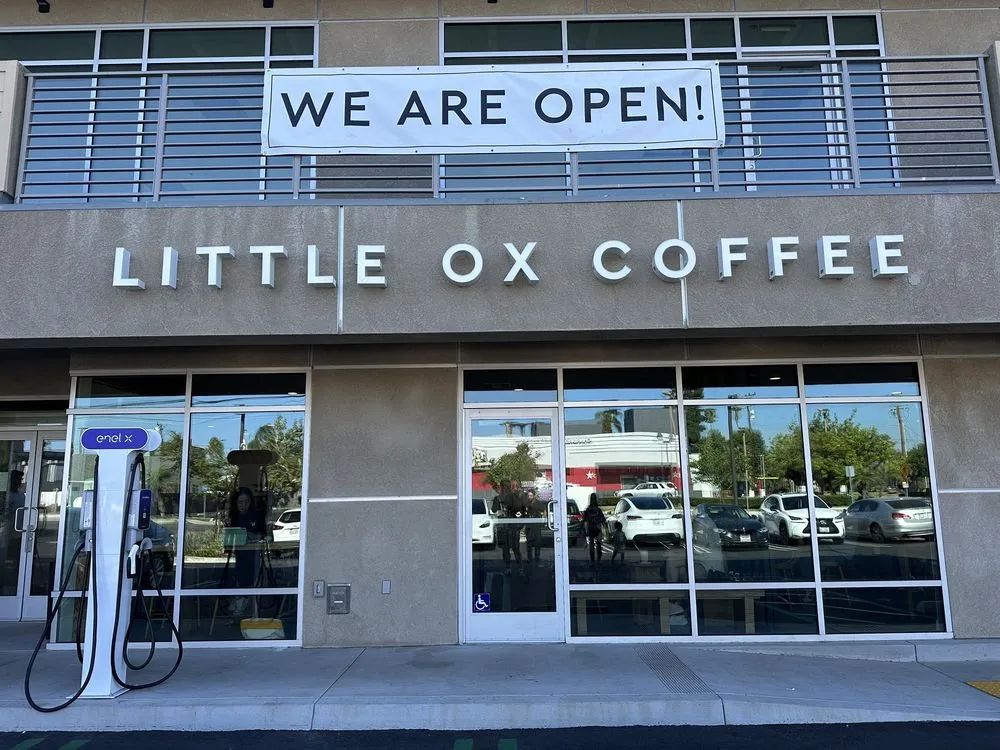
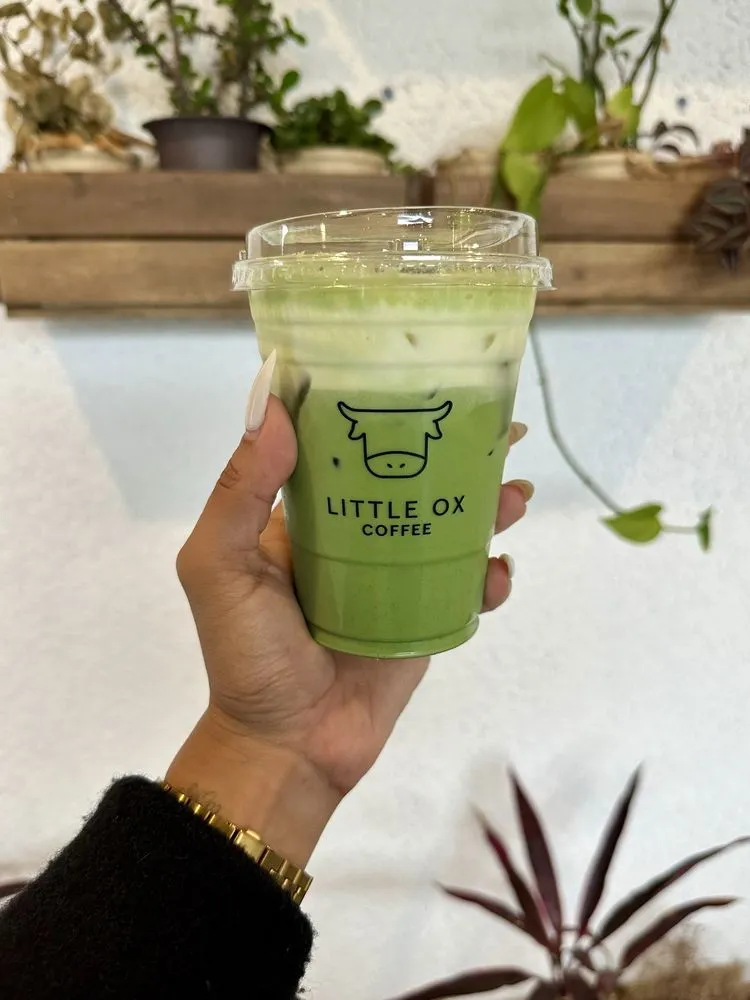
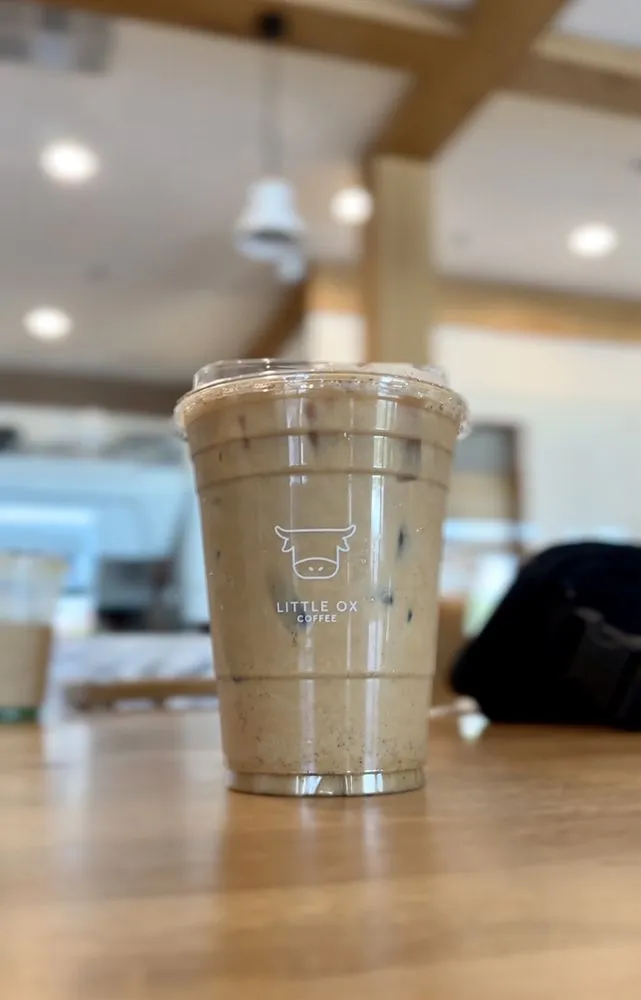
Whether someone orders a traditional cappuccino or explores creative drinks on the Little Ox Coffee Menu, espresso continues to play a critical role.
It’s the foundation that supports many of the beverages people enjoy every day.
Frequently Asked Questions
What is espresso?
Espresso is a concentrated coffee beverage created by forcing hot water through finely ground coffee under high pressure.
Is espresso stronger than coffee?
Espresso is more concentrated, but serving sizes are much smaller than regular coffee.
How long does it take to pull an espresso shot?
Most espresso shots are extracted in approximately 20–30 seconds.
Why does espresso have crema?
Crema forms when pressure releases oils and gases from freshly roasted coffee during extraction.
Can any coffee bean be used for espresso?
Yes. Espresso is a brewing method, not a specific type of bean.
Why do coffee shops focus so much on espresso?
Because espresso serves as the foundation for many popular coffee drinks.
Final Thoughts
Espresso may be served in a small cup, but it has a massive impact on modern coffee culture.
From grind size and tamping to extraction and crema, every step contributes to the final result.
That’s what makes espresso so fascinating.
It’s simple on the surface.
Yet behind every shot is a process that requires precision, consistency, and skill.
The next time you watch a barista preparing a drink, take a moment to appreciate what’s happening behind the machine.
That small shot of espresso is doing far more work than most people realize.
And whether you’re drinking it straight or enjoying it inside your favorite latte, it remains one of the most important elements in specialty coffee.